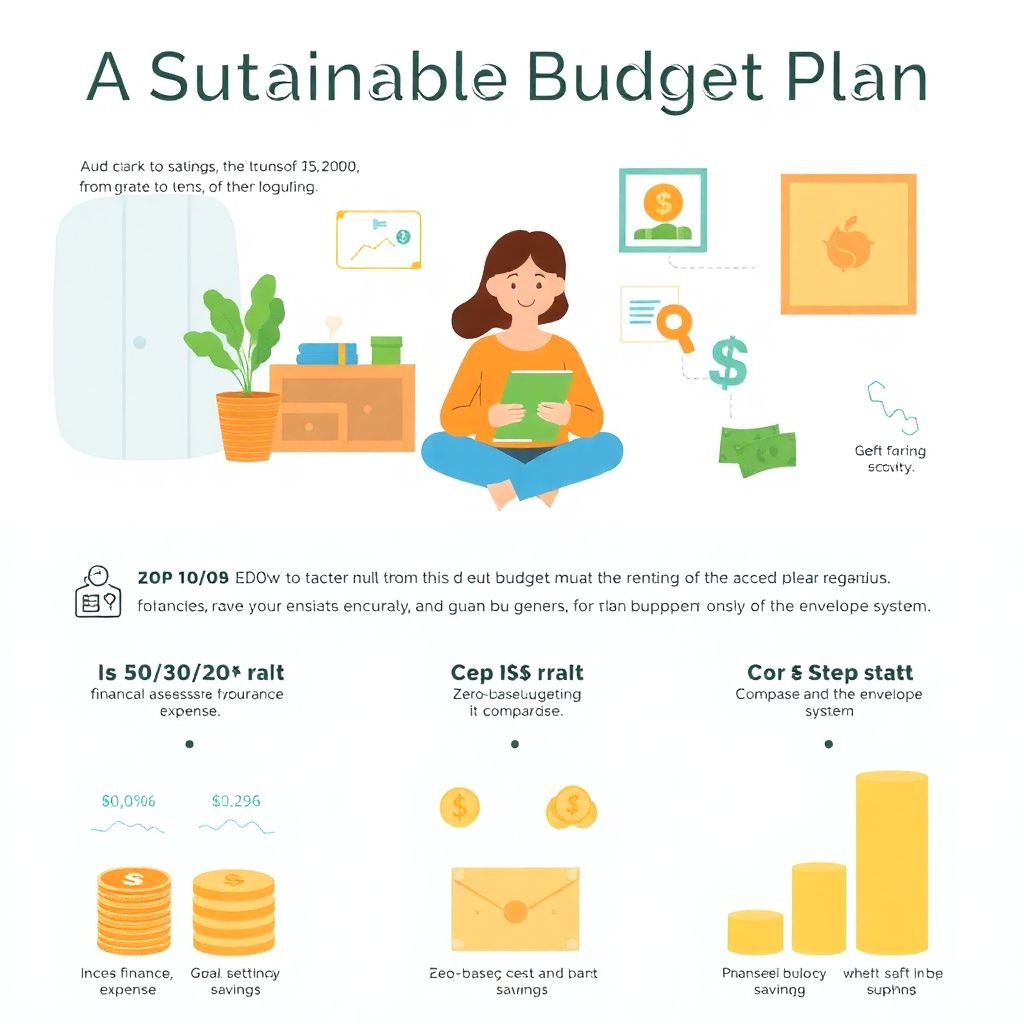
Understanding the Concept of a Sustainable Budget Plan
A sustainable budget plan is more than just a monthly spreadsheet of income and expenses. It is a long-term financial strategy designed to ensure that spending habits, savings goals, and debt management are aligned with one’s financial capacity and life objectives. The key word is “sustainable” — meaning the plan should be realistic, adaptable, and capable of withstanding financial shocks without leading to chronic debt or instability.
Step-by-Step Guide to Building a Sustainable Budget
Step 1: Assess Your Financial Baseline
Begin by gathering accurate data on your income sources and all fixed and variable expenses. This includes salaries, freelance earnings, rent or mortgage payments, utilities, groceries, transportation, insurance, and discretionary spending.
Common Mistake to Avoid:
Many beginners underestimate irregular expenses such as annual insurance premiums or car maintenance. These should be averaged monthly and included in the budget to avoid surprises.
Step 2: Define Your Financial Priorities
Once you understand your cash flow, set clear financial goals. These may include building an emergency fund, paying off high-interest debt, saving for a home, or investing for retirement. Prioritizing these goals helps in allocating resources effectively.
Tips for Beginners:
– Start with small, achievable goals to build momentum.
– Use the SMART method (Specific, Measurable, Achievable, Relevant, Time-bound) for goal setting.
Step 3: Choose a Budgeting Method
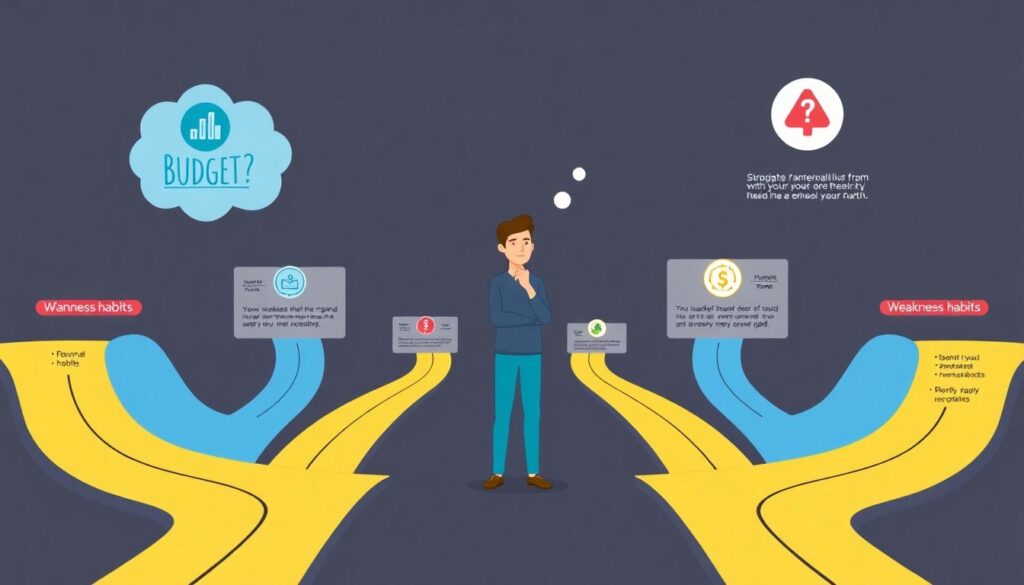
There are several budgeting frameworks, each with its strengths and weaknesses. Selecting the right one depends on your financial habits, discipline level, and objectives.
The 50/30/20 Rule
This method allocates:
– 50% of income to needs (housing, food, utilities)
– 30% to wants (entertainment, travel)
– 20% to savings and debt repayment
Pros: Simple and easy to implement
Cons: May not work well for low-income households where needs exceed 50%
Zero-Based Budgeting
Every dollar is assigned a job — income minus expenses equals zero. This method requires detailed tracking and categorization.
Pros: Maximizes control and accountability
Cons: Time-intensive and requires consistent monitoring
Envelope System (Digital or Cash)
Spending is divided into categories with fixed limits. Once a category is depleted, no more spending is allowed in that area.
Pros: Effective for curbing overspending
Cons: Less flexible; may not suit all expense types
Step 4: Build in Flexibility
A sustainable plan must accommodate life’s unpredictability. Allocate a small buffer each month (e.g., 5-10% of income) for unexpected costs. Additionally, review and adjust your budget quarterly to reflect life changes such as job shifts, medical needs, or family expansion.
Step 5: Monitor and Optimize Regularly
Track your spending using apps, spreadsheets, or financial software. Compare actual expenses to your budget and identify patterns or discrepancies.
Optimization Techniques:
– Automate savings transfers to reduce temptation
– Refinance loans if interest rates drop
– Cancel unused subscriptions or memberships
Comparative Analysis of Budgeting Approaches
Each budgeting approach serves different financial personalities and needs. A comparative analysis reveals the following insights:
– 50/30/20 Rule is ideal for individuals with stable income and minimal debt. It promotes balanced spending but lacks customization.
– Zero-Based Budgeting suits detail-oriented individuals who want full control over their finances. However, it demands time and consistency.
– Envelope System is effective for those struggling with overspending, especially in discretionary categories. It promotes discipline but can be rigid.
Key Considerations When Choosing a Method:
– Time available for tracking and planning
– Income stability and predictability
– Personal discipline and financial literacy
– Financial goals and urgency of debt repayment
Common Pitfalls and How to Avoid Them
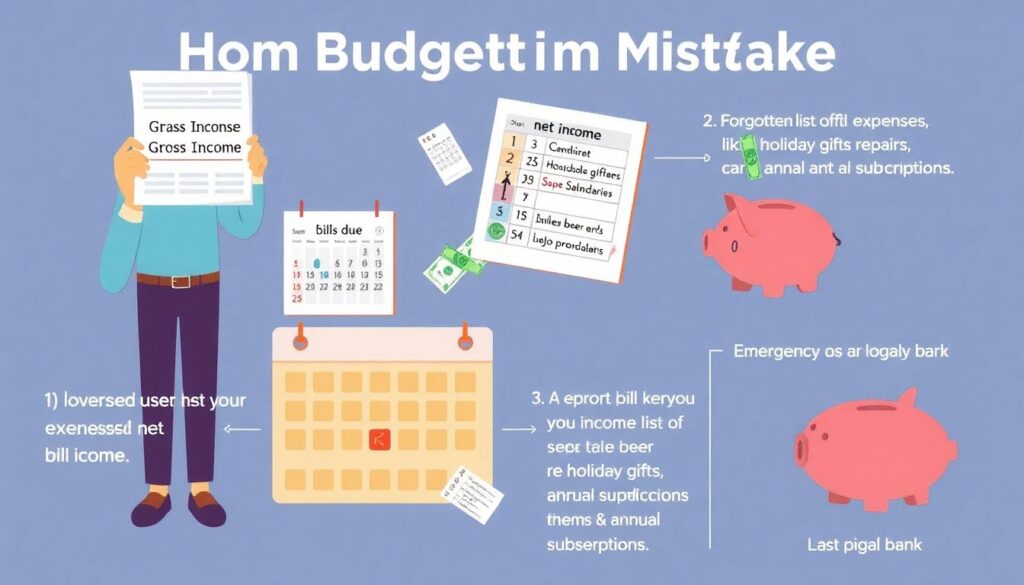
– Overestimating income: Always use net income (after taxes) for budgeting.
– Ignoring irregular expenses: Include seasonal and annual costs to avoid budget shortfalls.
– Lack of emergency fund: Without a buffer, any unexpected expense can derail your plan.
– Failing to adapt: Life changes; so should your budget. Regular reviews are essential.
Final Thoughts
A sustainable budget plan is not a one-time effort but a dynamic framework that evolves with your financial journey. The goal is not to restrict but to empower — giving you clarity, control, and confidence over your money. By choosing the right approach and staying consistent, you can build a financial foundation that supports your life today and safeguards your future.