
Why budgeting still matters in 2025

Money rules have changed a lot, but the core idea of a budget is old. Ancient merchants in Mesopotamia already tracked grain and silver on clay tablets, essentially doing proto budgeting, while medieval households used handwritten account books to avoid falling into debt with landlords. In the 20th century, paper envelopes and ledger books dominated, then spreadsheets took over in the 1990s. After the 2008 crisis, personal finance discipline became a survival skill, and now, in 2025, with subscriptions, microtransactions and instant credit everywhere, budgeting for beginners is less about math and more about controlling constant digital temptations that quietly eat your paycheck each month.
Step 1: Define why you want a budget, not just numbers
Before you worry about categories and apps, you need a brutally honest reason for starting a new budget. “I should be better with money” is too vague; your brain will ignore it as soon as life gets busy. Instead, translate it into something concrete: pay off a specific debt, build a six‑month emergency fund, save for a move abroad, or finally stop panicking before payday. When you think about how to start a budget and save money, focus on what saving actually changes in your life: less stress, more options, the ability to quit a toxic job faster. This personal “why” will keep you disciplined when motivation dips.
Step 2: Map your real cash flow, not the ideal one
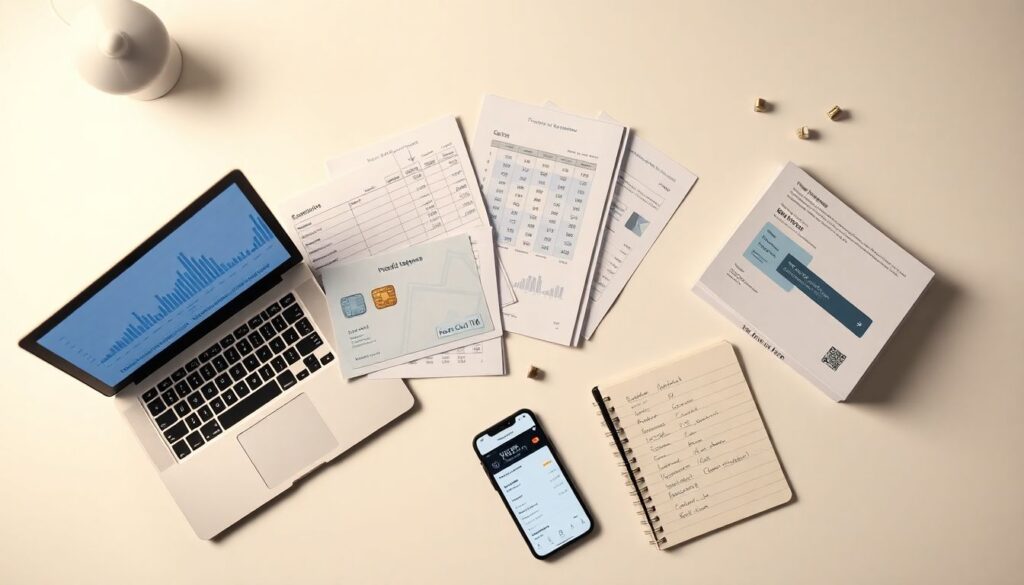
Discipline starts with accurate data. For at least one month, track every inflow and outflow without judging yourself. Download statements from banks and cards, scroll through payment apps, and note down recurring subscriptions hiding in the background. Your goal is to see patterns: impulsive late‑night orders, rideshares instead of public transport, small fees you never noticed. Many people jump straight into fancy templates, but a monthly budget planner for new budgeters only works if it reflects what you actually do, not the version of yourself you wish you were. Treat this as an x‑ray, not a performance review; clarity comes before optimization.
Step 3: Build a simple structure you can actually follow
Once you see the reality, group expenses into broad buckets: essentials, financial goals, and flexible spending. You don’t need twenty‑five micro‑categories; complexity kills consistency. In 2025 you can still use an envelope method, only digital: create separate accounts or virtual “spaces” for rent, savings, and day‑to‑day spending. Start with a basic rule of thumb, then adjust: for example, cap lifestyle costs and gradually increase your savings rate every quarter. The key in budgeting for beginners is not perfection on day one, but creating a structure that can survive bad days, surprise bills, and occasional splurges without collapsing.
Step 4: Use tools, but don’t outsource your thinking
Apps can remove friction, yet they can’t replace your decisions. Some of the best budgeting apps for beginners automate transaction imports, categorize spending, and show you trends in real time. That’s helpful, but discipline grows when you review those numbers yourself, question them, and tweak categories. Spreadsheets, note apps, or even a paper notebook still work if you check them regularly. Pick one tool you like visually and that you’re willing to open several times a week. Then, set a recurring “money meeting” with yourself where you adjust, reassign, and consciously decide how each remaining dollar will be used for the rest of the month.
Step 5: Learn the basics so you stop guessing
A lot of anxiety around budgets comes from not understanding the bigger money picture: interest, inflation, investing, taxes. In 2025, enormous amounts of free education exist, but it’s scattered and often biased. Curated personal finance courses for beginners, whether online or at community colleges, can give you a structured view: how debt snowballs, why emergency funds matter more than trendy investments, how to distinguish good credit from dangerous credit. Treat this as learning a language: once you grasp key terms, your budget stops being a list of sacrifices and becomes a control panel where you can actually steer long‑term outcomes with intention.
Common mistakes that quietly destroy discipline
New budgeters often sabotage themselves in subtle ways. One typical error is planning a month that assumes zero slip‑ups; the first restaurant invite then “breaks” the budget, and people give up completely. Another trap is underestimating irregular costs like gifts, car repairs, or annual subscriptions, which then feel like emergencies. A more modern mistake is ignoring small recurring digital costs: extra cloud storage, forgotten trials, or overlapping streaming services that together rival a utility bill. Discipline doesn’t mean rigid denial; it means assuming you’re human, baking in buffers, and adjusting when reality hits instead of abandoning the whole system.
Psychology of sticking to your plan
Budgets fail less from math errors and more from emotional friction. After a stressful day, your brain wants quick relief, not long‑term optimization, so impulsive spending feels rational in the moment. To counter this, build tiny frictions: remove saved cards from shopping sites, wait twenty‑four hours before nonessential buys, or set a low spending cap per purchase that requires you to pause before exceeding it. Embed rewards too; a strict plan with no joy is unsustainable. When you think about how to start a budget and save money consistently, design rules that protect you from your tired self, not just your ideal, disciplined version.
Review, adapt, and grow with your money
Your first budget is a prototype, not a final product carved in stone. After each month, analyze what actually happened versus what you planned, without drama. Maybe groceries were higher but transportation was lower, or freelance income was more volatile than expected. Adjust percentages, rethink categories, and keep notes on recurring problems. Over time your system will reflect your real life, not an abstract template. By treating budgeting as an ongoing experiment, you lower the psychological cost of “failure” and make it easier to resume after setbacks, which is ultimately the foundation of durable financial discipline and long‑term stability.