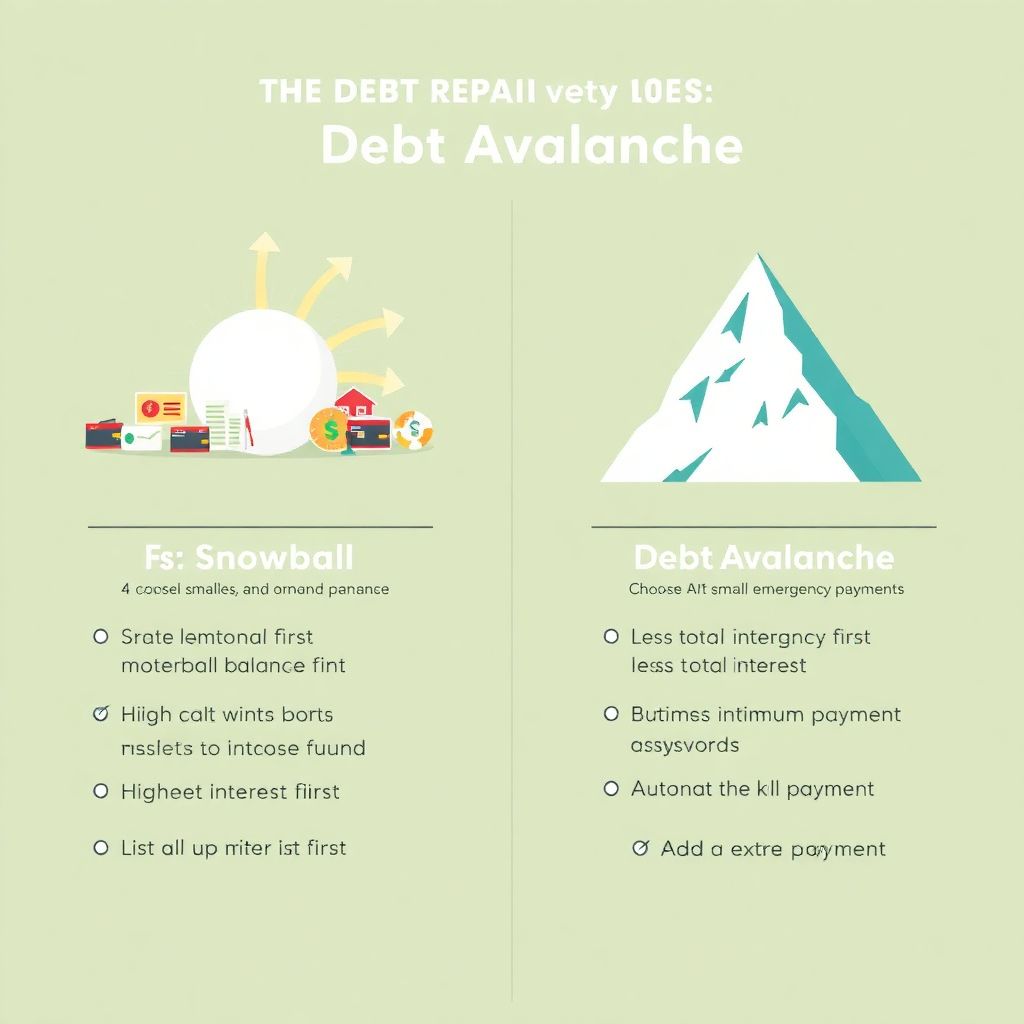
Understanding the Basics: What Are Snowball and Avalanche?
The snowball and avalanche methods are two structured ways to crush consumer debt faster and with less mental chaos. Both approaches rank your debts, set a clear repayment sequence and prioritize extra payments instead of spreading them thin. The credit card payoff strategy snowball vs avalanche matters because interest rates on revolving credit can quietly erode your budget. Experts in financial planning emphasize that choosing a clear algorithm and sticking to it is usually more important than chasing the theoretically perfect model and switching every few months.
How the Debt Snowball Method Works
The debt snowball method focuses on behavioral psychology rather than pure math. You list all liabilities from the smallest balance to the largest, ignore interest rates for now and send every extra dollar to the tiniest debt while paying minimums on the rest. Each time a balance hits zero, you “roll” its payment into the next one, creating a growing snowball. Many coaches call this the best method to pay off debt snowball or avalanche for people who struggle with motivation, because quick wins create visible progress and lower emotional stress.
How the Avalanche Method Works
The debt avalanche method is more optimized from a mathematical perspective. Here, you sort debts by interest rate, from highest APR to lowest, regardless of balance size. Extra payments are funneled to the most expensive debt first, reducing total interest paid over time. This approach can be slower emotionally, because the target account might have a big balance, but experts in quantitative finance point out that the avalanche minimizes the long‑term cost of borrowing. If you’re analytical and comfortable tracking figures, the avalanche strategy often aligns better with your logical thinking.
Step‑by‑Step: Setting Up Your Payoff Plan
Начните с инвентаризации: list all debts, APRs, minimum payments and due dates in a single spreadsheet or app. Many people like using a debt payoff planner snowball avalanche style, where you can toggle between both methods and visualize payoff dates. Next, define a realistic but firm extra payment amount from your monthly cash flow. Then choose snowball or avalanche and lock the order of accounts. Automate minimums, schedule extra payments to your current target and set reminders to review progress every 30–60 days so you can adjust for income changes or new expenses.
Using a Debt Snowball vs Avalanche Calculator Wisely

Online tools can make the choice easier. A debt snowball vs avalanche calculator lets you plug in balances, APRs and payments to compare total interest and payoff time under each option. Specialists warn against overfitting your decision to tiny differences in projections: if the calculator shows just a few weeks’ or a small dollar gap, your personal behavior and discipline will matter more than the math. Treat simulations as scenario analysis, not a rigid forecast. Update the inputs when debts change, but avoid re‑optimizing every month, which can create decision fatigue.
Common Mistakes and How to Avoid Them
Новички часто допускают типичные ошибки: игнорируют резервный фонд, направляя абсолютно все средства на долги, забывают о годовых комиссиях и платят с опозданием, разрушая кредитный рейтинг. Другой просчёт — смена стратегии каждые пару месяцев, когда мотивация падает. Эксперты советуют сначала создать базовый emergency fund хотя бы на один месяц расходов, затем запускать снежный ком или лавину. Обязательно следите за автоматическими списаниями, чтобы минимальные платежи всегда уходили вовремя и не уничтожали результаты вашей работы штрафами.
Debt Consolidation vs Snowball vs Avalanche
Иногда логично добавить ещё один инструмент — объединение обязательств. В связке debt consolidation vs snowball vs avalanche речь идёт не о конкурирующих, а о дополняющих стратегиях. Консолидация снижает количество счетов и может уменьшить среднюю ставку, но сама по себе не решает проблему дисциплины. Финансовые консультанты рекомендуют сначала оценить, есть ли у вас доступ к более дешёвому кредиту без скрытых комиссий, затем зафиксировать новый платёж и уже внутри этого займа применять принципы лавины, ускоряя выплаты за счёт повышенных ежемесячных сумм.
Expert Tips to Choose Your Strategy

Профессиональные финансовые коучи дают простое правило выбора: если вы склонны к эмоциональному выгоранию и легко бросаете долгосрочные проекты, стартуйте с snowball, чтобы получить быстрый психологический отклик. Если вы стабильно следуете плану и любите оптимизацию, начните с avalanche. Многие эксперты допускают гибрид: первые один‑два небольших долга закрыть снежным комом, а затем переключиться на лавину, когда мотивация окрепнет. Главное — зафиксировать стратегию письменно и проговаривать её с партнёром или наставником.
Practical Checklist: From Plan to Action
1. Составьте полный список долгов с APR и минимальными платежами.
2. Направьте 500–1000 долларов на стартовый резервный фонд.
3. Прогоните данные через debt snowball vs avalanche calculator и сравните сценарии.
4. Выберите метод и порядок счетов, запишите его в виде пошагового алгоритма.
5. Автоматизируйте минимальные платежи и вручную добавьте сверхплатёж к целевому долгу.
6. Раз в месяц обновляйте ваш debt payoff planner snowball avalanche и отслеживайте динамику.
7. После закрытия каждой позиции пересматривайте бюджет и усиливайте дополнительный платёж.
Final Thoughts: Staying Consistent Over the Long Run
Какой бы путь вы ни выбрали, кредитная стратегия работает только при стабильных действиях. Сведите к нулю новые долги, договоритесь с собой не трогать лимит по карте и фиксируйте каждый закрытый счёт как достижение. Комбинация понятного алгоритма — будь то snowball или avalanche, — регулярного мониторинга и небольшой подушки безопасности создаёт эффект ускорения. Со временем проценты перестают съедать ваш кэш‑флоу, и те же деньги можно перенаправить в инвестиции, формируя уже не снежный ком долга, а капитал.