
Why Budgeting Literacy Matters (Even If You “Hate Numbers”)
Budgeting isn’t about becoming an accountant or tracking every cent in a spreadsheet. It’s about answering three basic questions:
– What’s coming in?
– Where is it going?
– Is that getting me closer to the life I want?
Budgeting literacy is simply the skill of reading your money story and rewriting it on purpose. Once you get the fundamentals, you stop feeling like money “just disappears” and start seeing clear patterns you can actually control.
Expert insight:
Certified financial planner Sara King puts it this way: “A budget isn’t a restriction. It’s a permission slip. It shows you how much you can spend without anxiety.”
Let’s break budgeting for beginners into simple steps, highlight typical mistakes, and add some expert-backed tactics you can use immediately.
—
Step 1. Get Honest About Your Starting Point
You can’t build any useful personal budget plan if you’re guessing. The first step is to see your real numbers, without sugarcoating.
1. Track Your Cash Flow (Past 30–60 Days)
Pull data, not feelings.
– Download bank and card statements for the last 1–2 months
– Write down (or export) every inflow (salary, side gig, refunds)
– Categorize every outflow (rent, groceries, transport, eating out, subscriptions, debt, etc.)
You can do this in a notebook, a simple spreadsheet, or one of the best budgeting apps for beginners like Mint, YNAB, or EveryDollar. The tool is less important than consistency.
Expert recommendation:
Financial coaches often suggest starting with just 30 days. Long enough to show habits, short enough to not feel overwhelming.
Red Flags to Watch For
While you categorize, notice:
– Expenses you forgot you had (subscriptions, memberships)
– Lots of “small” unplanned spend (coffee, delivery, random Amazon orders)
– Regular overdraft fees or late fees
These are early warning signs. They don’t mean you’re “bad with money”; they show where your future budget must be extra clear.
Common beginner mistake:
Starting to “fix” everything before you’ve fully tracked. First observe, then adjust. Otherwise, you’re just rearranging guesses.
—
Step 2. Define Your Realistic Monthly Numbers
Now you know what’s been happening. Time to translate it into a clear monthly view.
2.1. Calculate Net Income
Use the amount that actually hits your account, not your pre-tax salary.
Include:
– Main job income
– Side hustle income
– Child support or benefits
– Any regular transfers you can rely on
If income fluctuates, take a 3–6 month average and use the lower end. Conservative assumptions reduce stress.
2.2. Separate Needs, Wants, and Goals
This is where budgeting literacy starts paying off. You’re not just listing costs; you’re ranking them.
– Needs – rent, utilities, basic groceries, transport, minimum debt payments, essential insurance
– Wants – restaurants, streaming, vacations, premium phone plans, hobbies
– Goals – emergency fund, debt payoff beyond minimums, investing, education, big purchases
Expert insight:
Many money management classes for adults use a simple test: “If I lose my income tomorrow, is this expense non-negotiable?” If yes, it’s likely a need. If no, it’s a want or a goal.
Beginner pitfall:
Labeling almost everything as a “need”. Be strict but fair with yourself. Internet for work? Probably a need. Three different streaming services? That’s lifestyle, not survival.
—
Step 3. Choose a Simple Budgeting Framework
You don’t need a complicated system to start. You need a clear, testable structure.
3.1. The 50/30/20 Model (Good Starting Template)
– ~50% of take-home pay → Needs
– ~30% → Wants
– ~20% → Financial goals (savings, debt payoff, investing)
This isn’t a rule, it’s a starting reference. Living in a high-cost city? Your “Needs” might be 60–70% for now. That’s fine; the point is to see the ratio, not feel shame about it.
3.2. The Zero-Based Budget (Every Dollar Has a Job)
Here you assign every unit of income to a role: spending, saving, or debt. Income minus all planned categories equals zero.
This doesn’t mean you have no money; it means every amount is pre-decided.
Good for:
– People with variable income
– Those who overspend when money is “just sitting” in the account
Warning:
Newcomers often overcomplicate categories (e.g., 25 different food categories). Keep it simple: “Groceries”, “Eating out”, “Delivery” is more than enough to start.
—
Step 4. Build Your First Personal Budget Plan
Now we combine everything into an actual plan you can run for 30 days.
4.1. Start With the Non-Negotiables
1. Write down your net monthly income.
2. List all needs and their realistic amounts (rent, utilities, required insurance, basic food, minimum debt).
3. Subtract needs from income.
If the result is negative, you have a viability problem: you’re trying to live a life your income simply can’t support yet. You’ll need to either cut fixed costs (roommate, cheaper plan, move later) or grow income.
4.2. Assign Money to Goals Before “Fun”
Whatever is left after needs, decide in this order:
1. Emergency buffer – Aim for your first $500–$1,000 as fast as reasonable.
2. High-interest debt – Credit cards and payday loans are financial quicksand.
3. Future you – Retirement accounts, investing, education.
Only after this do you allocate for wants: restaurants, shopping, trips. That doesn’t mean “no fun”; it means “pre-planned fun”.
Expert recommendation:
Many financial literacy programs for beginners encourage setting a tiny, symbolic automatic transfer to savings (even $10 a week) purely to build the behavior. The amount can grow later; the habit is what matters.
—
Step 5. Choose Tools That Match Your Style
Your system should fit you, not the other way around.
5.1. Digital Tools and Apps
Some of the best budgeting apps for beginners:
– Mint or similar aggregators – Good if you want automatic tracking and visualizations.
– YNAB (You Need A Budget) – Built around zero-based budgeting and “giving every dollar a job”.
– Bank-native tools – Many banks now have spending breakdowns and alerts built in.
Pros: automation, notifications, quick insights.
Cons: can feel abstract; easy to ignore if you’re not engaged.
5.2. Low-Tech Options

– Simple spreadsheet (Income, Needs, Wants, Goals)
– Notebook with weekly check-ins
– Envelope or “digital envelope” method (physically or mentally dividing funds across categories)
Expert insight:
Behavior experts note that “friction” can be helpful. Writing expenses by hand slows you down just enough to think: “Do I really want this more than my other goals?”
—
Step 6. Run a 30-Day Budget Experiment
Treat your first month like a test, not a final exam.
6.1. Weekly Check-Ins
Once a week, take 10–15 minutes to review:
– How much you planned vs. how much you actually spent in each category
– Any surprises or unplanned expenses
– Categories that feel too tight or too loose
Ask yourself:
– “What did I underestimate?”
– “What did I overestimate?”
– “What one change would make next week easier?”
Beginner mistake:
Trying to “fix” mid-month by giving up. If you go over in restaurants, don’t quit budgeting. Adjust another category (maybe less shopping) and note the pattern for next month.
6.2. Adjust, Don’t Punish

A budget is a feedback loop, not a morality test. Overspent? That’s data.
Use it:
– If a category is consistently over, raise the number and cut elsewhere
– If a category is always under, lower it and redirect to goals
– If your lifestyle doesn’t match your income, explore specific income strategies instead of vague guilt
Expert recommendation:
Coaches often suggest a simple rule: “Change only one or two things each month.” Too many changes at once and your brain rebels.
—
Step 7. Avoid Classic Beginner Money Mistakes
Learning budgeting literacy is as much about what not to do as what to do.
7.1. Over-Optimistic Tight Budgets
New budgeters often create a “perfect” plan where:
– No eating out
– No social spending
– Aggressive debt payoff
– Zero room for error
This works for about… a week. Then life happens, you “break” the budget once, feel like you failed, and drop the whole system.
Instead:
– Build in a modest “fun” line (even $30–$50)
– Add a small “miscellaneous” category for surprises
– Assume you’ll forget something the first few months
7.2. Ignoring Irregular Expenses
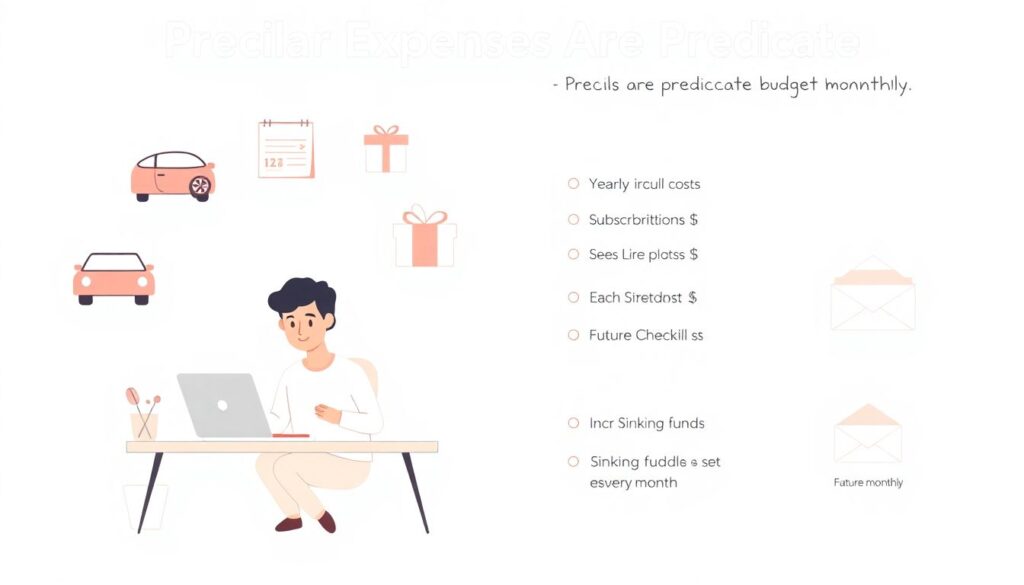
Car registration, annual subscriptions, gifts, medical checkups—these aren’t monthly, but they are predictable.
Solution:
– List all known irregular costs for the year
– Divide each by 12
– Set aside that amount monthly in a “Sinking funds” or “Future bills” category
This is one of the major differences between people who feel “blindsided” by money and those who feel calm.
—
Step 8. Upgrade Your Budget Skills Over Time
Once you’re comfortable with the basics, you can level up gradually.
8.1. Learn the Why Behind the Numbers
Budgeting literacy connects directly to wider financial literacy: interest, inflation, investing, risk.
Consider:
– A short budgeting for beginners course online to structure your knowledge
– Local money management classes for adults at community colleges or libraries
– Reputable financial literacy programs for beginners offered by nonprofits or banks
Expert recommendation:
Look for courses that are product-neutral (not just pushing one bank or investment) and that include practice exercises, not just lectures.
8.2. Set Clear, Measurable Money Goals
Concrete examples:
– “Save $1,000 in an emergency fund within 5 months.”
– “Pay off card A in 8 months by adding $75 extra per month.”
– “Invest 10% of my income once my high-interest debt is gone.”
Tie your budget to these goals. Every time you move money from “random spending” to “goal”, you’re not depriving yourself—you’re trading short-term hits of dopamine for long-term stability and options.
—
Practical Tips From Experts for Beginners
To wrap it up, here are condensed, expert-aligned ideas you can act on immediately:
– Start small but start now. Even a rough budget is better than none.
– Track first, judge later. Observation before optimization.
– Automate what you can—savings, bill payments—to protect yourself from forgetfulness.
– Keep your categories simple; complexity kills consistency.
– Review monthly. Treat each month as a new experiment, not a repeat of last month’s “failures”.
Most important:
Your budget is a living document. As your income, goals, and life circumstances change, your plan should change with them. That’s not failure; that’s exactly what budgeting literacy is for—continuous, informed adjustment instead of financial autopilot.
If you commit to even 30 days of intentional tracking and planning, you’ll understand your money more clearly than many people do in years. From there, every decision gets a little less scary and a lot more deliberate.