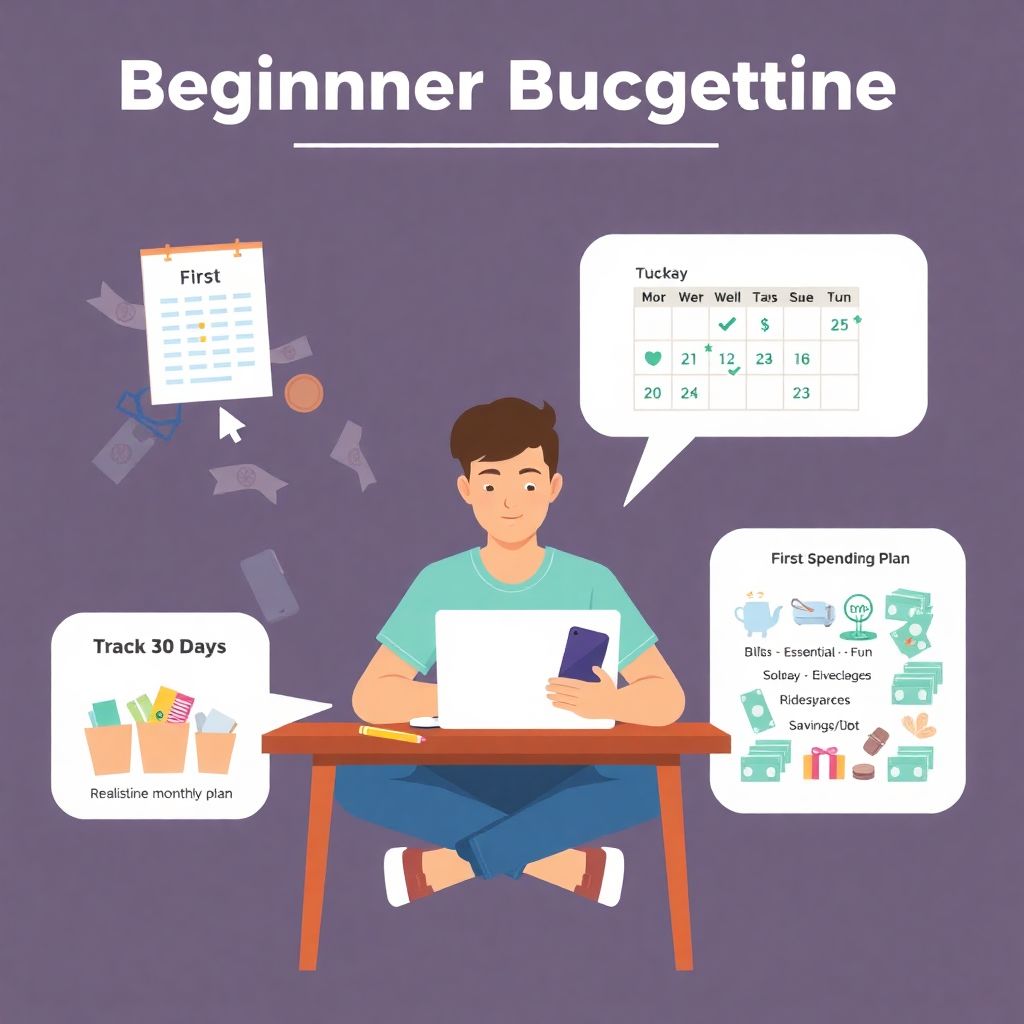
Why the very first budget matters more than you think
Your first budget isn’t just a spreadsheet; it’s the moment you stop flying blind with money. Studies from the CFPB show that people who track expenses are about 2–3 times more likely to hit savings goals within a year. That’s your first milestone: simply seeing where your cash actually goes. At this point you’re not trying to be perfect, you’re building financial awareness. Think of it like turning on the lights in a messy room: the mess was there all along, you just finally see it. For anyone searching how to make a budget for beginners, the expectation shouldn’t be instant savings glory, but a clear picture of income, fixed bills, “little leaks,” and realistic room for change over the next 1–3 months.
Milestone 1: Track every unit of currency for 30 days
The first real test of discipline is logging every expense for a month. According to various banking app analytics, more than 60% of new users stop tracking consistently after two weeks, which kills early progress. So set the bar lower and smarter: focus on 30 days of data, not instant perfection. Use notes on your phone, a simple spreadsheet, or any personal budget planner for beginners instead of complex tools. The goal is to capture patterns: how often you order food, impulse online buys, or “I deserved it” treats after work. Expect discomfort here; your numbers will expose habits you’ve justified for years. But this honest snapshot becomes the foundation for every budgeting decision you’ll make later.
Milestone 2: Build your first realistic spending plan
Once you’ve tracked a month, you’re ready for your first “draft budget.” This is where a beginner budgeting guide step by step can help, but you don’t need anything fancy. Start by splitting your monthly cash into four buckets: must-pay bills, essentials like groceries and transport, flexible fun spending, and savings or debt payments. Use your own numbers from last month, then shave a little—not a lot—off the flexible stuff. If you cut everything too hard, your budget will explode by week two. Aim for tiny wins: 5–10% less on takeout, one fewer subscription, a cap on random online purchases. The milestone here is not zero overspending; it’s having a written, testable plan for the next month.
Practical tools: What actually works for beginners
The best tools are the ones you’ll open every other day, not the fanciest apps on the market. Fintech data shows that simple budgeting apps with fewer features often have better long‑term retention because users don’t feel overwhelmed. Start with:
– One checking account for daily spending and bills
– One savings account for goals and emergencies
– One simple tracking method (app, spreadsheet, or notebook)
If you want structure, many apps now offer a personal budget planner for beginners with automatic categorization and reminders. Just remember: the app can’t say “no” to a purchase—you still have to. Budget tech is growing fast, and analysts forecast the personal finance app market to keep expanding by double digits over the next few years, but the core habit is still you checking your numbers regularly.
Milestone 3: Surviving the first “budget crash”
Every new budget has a crash moment: an unexpected bill, a birthday party you forgot, car repair, or a stress-fueled shopping spree. Most beginners think, “I blew it, budgeting doesn’t work,” and quit. Expect this in advance. Treat month one and two as test runs, not a final exam. When the crash happens, do a quick post‑mortem: What surprised you? What was predictable but not planned for—gifts, annual fees, beauty appointments? This is where first time budgeting tips matter: add a “miscellaneous” cushion, even if it’s small, and start a mini sinking fund for predictable irregular costs. Economically, you’re shifting from reacting to surprises toward pre‑funding them, which over time reduces reliance on credit and the hidden cost of interest.
Milestone 4: Hitting your first savings and debt goals
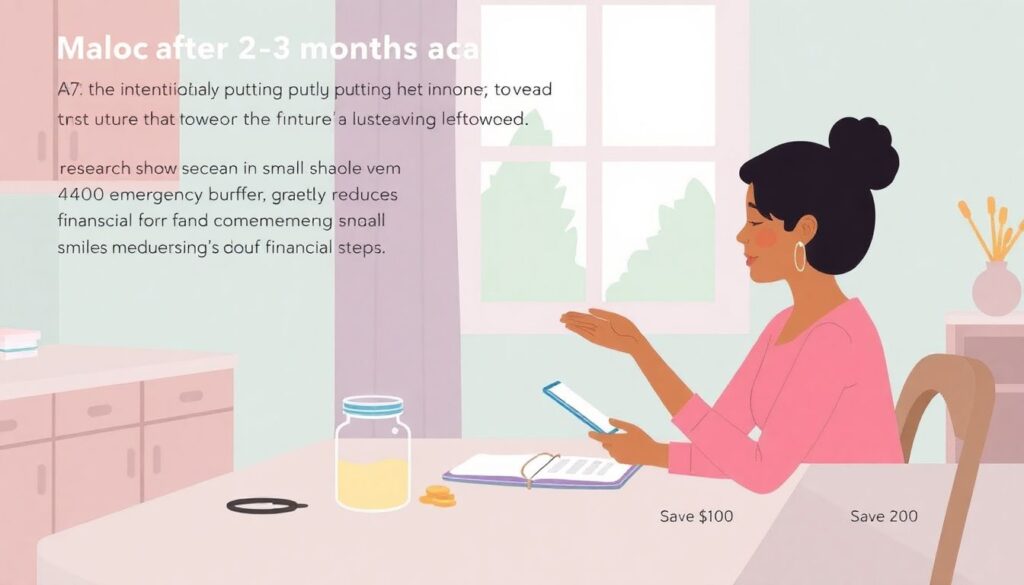
After 2–3 months, your next big milestone is putting money toward the future on purpose, not just “leftovers.” Research from the Federal Reserve suggests that even a $400 emergency buffer drastically reduces financial stress. So set tiny, measurable goals:
– First micro‑goal: save $100–$300 in a basic emergency cushion
– Next step: pay off one small, annoying debt (like a store card)
– Short‑term treat goal: cash for a weekend trip or gadget
This is how to start a budget and save money without feeling deprived: you mix protection (emergency fund), progress (debt), and pleasure (small rewards). Once you complete even one of these, your brain starts associating budgeting with wins, not restriction, which is crucial for long‑term sticking power.
Economic aspects: How your micro‑budget fits the macro world
Your first budget lives inside a bigger economic landscape of inflation, wage growth, and rising service prices. Over the past few years, many households have seen essentials—food, rent, utilities—outpace income growth, which makes budgeting feel harder and more necessary. A practical response is to treat your budget as a flexible tool, updated every 3–6 months to reflect price changes. That might mean renegotiating services, switching brands, or seeking side income when fixed costs eat too much of your pay. From a household economics view, you’re doing what businesses do during tough cycles: trimming low‑value expenses, protecting core needs, and reinvesting in skills or assets that may increase your future earning power.
Impact on the personal finance industry and trends ahead

As more people search online for how to make a budget for beginners, the personal finance industry is reshaping itself around beginner‑friendly tools. Banks, neobanks, and budgeting apps compete to offer automated categorization, goal‑based saving, and personalized nudges. Industry forecasts point to more AI‑driven coaching: your app quietly warning that your “eating out” category will run dry by the 20th if you keep current habits. There’s also a rise in “just‑in‑time education,” where tips pop up exactly when you’re about to overspend. For you as a beginner, this means better support and fewer barriers. But the core milestones remain stubbornly human: track, plan, adjust, and keep going when the novelty wears off.
Putting it all together: A simple beginner roadmap
You don’t need a perfect system, just a sequence you can repeat. A grounded plan looks like this:
– Month 1: Track every expense and notice patterns
– Month 2: Build a simple budget and expect mistakes
– Month 3: Add small savings and start tackling one debt
– Every 3 months: Review, tweak categories, renegotiate costs
Treat any beginner budgeting guide step by step as a menu, not a strict rulebook. Your lifestyle, city, and income will shape your categories. The real milestone is when checking your money feels as routine as checking your messages. Once you hit that, your budget stops being a one‑time experiment and becomes a quiet system that supports every other plan in your life.