Getting a chunk of money you weren’t counting on feels amazing and confusing at the same time. Maybe it’s a bonus, tax refund, tiny lottery win, or money from a relative. The amount might not be “quit your job” big, but it’s still big enough that you don’t want to blow it on random stuff and then wonder where it all went. This guide breaks down, in plain language, how to turn that small windfall into something useful: less stress, more safety, and a bit of fun you can enjoy without guilt. You’ll see simple rules, clear definitions, and real‑life style examples you can copy, even if you’ve never budgeted before in your life.
What a “Small Windfall” Really Is
Let’s start with definitions, so we’re talking about the same thing. A windfall is money you didn’t expect and didn’t plan into your monthly income, like a bonus, tax refund, or small inheritance. A small windfall is usually anywhere from a few hundred to maybe low five figures: big enough to change your year, not your whole life. Budgeting here simply means creating a written plan for every unit of that money: what it will do, where it will sit, and when you’ll use it. Think of “how to budget a windfall” as deciding the job of each dollar before your impulses decide for you. Imagine a horizontal line: on the left is “pure impulse,” on the right is “pure planning”; your goal isn’t perfection on the right, it’s just moving away from the left so the money actually helps you long term.
First Step: Pause and Park the Cash
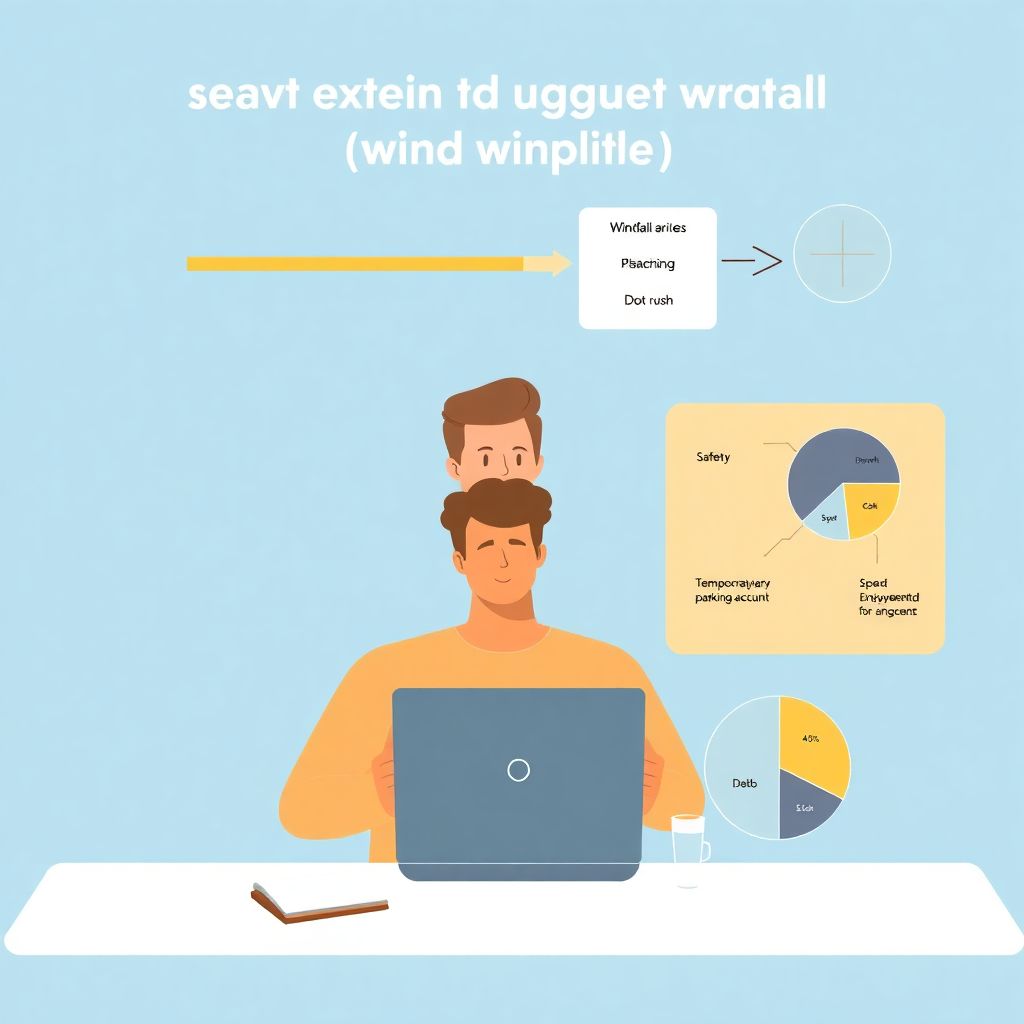
Before deciding what to do with unexpected money, your first move is actually to do almost nothing. That sounds boring, but it’s wildly effective. Here’s the idea: park the entire amount in a separate savings account and label it “Windfall – Do Not Rush.” This simple act creates a mental wall between your normal spending and this new money, which cuts impulse purchases dramatically. Picture a flow diagram in your head: at the top is “Windfall arrives,” then an arrow goes to a box labeled “Temporary parking account,” and only after that box do arrows split into “Save,” “Invest,” “Spend,” and “Debt.” This visual funnel reminds you that nothing leaves the parking box without a conscious decision. Give yourself a cool‑off period of 7–30 days; during that time, you collect ideas, run numbers, and calm the initial excitement so you make choices that still feel smart three months later.
Building a Simple Windfall Budget

Now let’s turn the parking pile into a clear plan. A beginner‑friendly way to handle financial planning for sudden money is to slice it into a few purpose‑based chunks instead of one big, vague blob. You can use a “3‑bucket” model: Safety, Growth, and Enjoyment. Imagine a pie chart in your mind: the whole circle is your windfall, and you draw three slices. For example, maybe 40% goes to Safety (emergency fund, insurance, key repairs), 40% to Growth (investments, education, career tools), and 20% to Enjoyment (travel, gadgets, experiences). The exact percentages are flexible; the important part is that each unit of money belongs to a bucket with a clear label. Compared with just tossing everything into your checking account, this diagram‑style split makes it easy to see if you’re being balanced or drifting into “all fun, no future” territory.
Protect First: Debts and Safety Nets
Before you focus on the best ways to spend a small inheritance or bonus on fun things, handle your downside risk. Emergency fund first: that’s 3–6 months of basic living costs (rent, food, utilities, transport) held in a boring, easy‑access savings account. The definition matters: it’s not investment money, it’s “my car died, my job vanished, I got sick” money. If you don’t have any emergency fund, sending 30–50% of your windfall there is often the smartest, least sexy move. Next, look at high‑interest debt: credit cards or payday loans with interest above roughly 10–12% a year. Paying those down is like getting a guaranteed return equal to the interest rate. Imagine a comparison diagram with two arrows leaving your windfall: one arrow goes to “Pay 20% credit card,” the other to “Earn 5% in savings.” The first arrow clearly wins, because every dollar you use to kill that balance stops future interest from draining you. You’re buying freedom instead of buying a slightly bigger account balance.
How to Invest and Grow a Small Windfall

Once your basic safety is handled, you can think about how to invest a small windfall without turning it into a part‑time job. Investing simply means using money to buy assets that can grow or pay you over time, like index funds, bonds, or even skills that raise your future income. For a beginner, low‑cost broad index funds—for example, a fund that owns a tiny slice of hundreds of companies—are often easier and safer than picking individual stocks. Picture another diagram: a ladder with three rungs labeled “Safety (savings),” “Medium risk (bonds),” and “Higher risk (stocks or stock index funds).” As your time horizon gets longer (money you won’t need for 5+ years), you step up the ladder. Compared with leaving everything in cash, investing accepts short‑term ups and downs in exchange for better odds of long‑term growth. Keep it practical: set up an automatic monthly transfer from your windfall parking account into your chosen investment, so growth becomes a habit and not a one‑time guess.
Smart Spending Without Guilt

Spending some of your windfall is not a failure; it’s part of a healthy plan. The trick is to make your spending actually upgrade your life instead of just filling your closet. When people search for the best ways to spend a small inheritance, they usually picture big, visible treats, but research and common sense both suggest experiences and stress‑reducing purchases give more lasting satisfaction. That might be a short trip you’ve dreamed about, fixing something in your home that’s been a constant annoyance, or paying for a course that makes your daily work easier. To visualize this, imagine two bars in a simple bar chart: one labeled “Impulse stuff” and another labeled “Planned upgrades.” Both bars might use the same dollar amount, but the second bar represents things that either keep paying you back in comfort, time saved, or skills. Giving yourself a pre‑decided “fun budget” slice (say 10–20%) also kills the guilt: you already chose that this piece is for enjoyment, so you can actually relax and enjoy it.
Real‑World Example: Putting the Pieces Together
Let’s walk through a quick example to show how to budget a windfall in practice. Say you receive $5,000 after taxes. First, you park it in a separate savings account for two weeks. During that time, you map a plan: 40% Safety ($2,000), 35% Growth ($1,750), 25% Enjoyment ($1,250). You notice your emergency fund is only one month of expenses, so you send the full $2,000 to that account. You have a credit card at 22% interest with a $1,500 balance, so from the Growth bucket you kill that debt, then put the remaining $250 into a broad stock index fund and set a small monthly auto‑invest. From the Enjoyment bucket, you book a weekend trip you’ve postponed for years and buy a modest laptop upgrade that helps both work and hobbies. If you were wondering what to do with unexpected money, this scenario shows a balanced answer: you’re safer, freer from debt, building future wealth, and still getting something tangible and enjoyable right now.
Comparing Windfall Choices: Cash vs. Debt vs. Investment
It helps to compare your options side by side, at least conceptually. Imagine a three‑way diagram: three boxes labeled “Leave in Cash,” “Pay Down Debt,” and “Invest.” Cash is low risk but usually loses quietly to inflation; it’s great for emergencies, not for long‑term growth. Paying down high‑interest debt is like getting a risk‑free “return” equal to that huge interest rate, which often beats average investment returns by a wide margin. Investing, on the other hand, can beat both over many years but bounces up and down in the short term and requires patience. The right blend depends on your starting point: if debt is heavy and your emergency fund is tiny, your windfall is a chance to reset your foundation; if you’re already stable, you can tilt more toward investments and planned upgrades to your lifestyle. Instead of chasing the perfect answer, aim for a mix where each dollar has a clear purpose that fits your real life, not some theoretical model.
Staying on Track After the Excitement Fades
The real challenge with how to invest a small windfall or spend it wisely isn’t the first week; it’s staying consistent once the novelty wears off. One practical trick is to write a short “Windfall Plan Note” in plain language: one paragraph saying what the money is for, how you split it, and the rules you’ll follow, like “No new big purchases unless they fit inside the Enjoyment slice.” Keep that note in your notes app or email it to yourself. You can even set a calendar reminder three months out to review: Did you follow your own rules? Do you want to adjust the percentages? Compared with winging it, this tiny bit of structure helps you catch drift early, before small impulsive decisions quietly eat the whole amount. Over time, you’ll notice that every time unexpected money shows up—refund, bonus, gift—you already have a system. That’s the real power of financial planning for sudden money: less drama, more control, and a calmer relationship with whatever cash drops into your lap.