
Why Budgeting in Your 40s Feels Different

By the time you hit your 40s, money isn’t just about getting through the month anymore. You’re juggling a mix of things: maybe a mortgage, kids, aging parents, plus the uncomfortable realization that retirement isn’t a distant idea but a deadline. That’s why financial planning and budgeting in your 40s feels heavier than it did in your 20s. You’re making decisions that will echo for decades. The goal now is not just “stop overspending,” but “build a system that protects future-you without making present-you miserable.” A good budget at this stage has to balance stability, flexibility and room for fun, otherwise you’ll abandon it after a few frustrating months.
Different Approaches: Finding a Style That Fits You
There’s no single perfect method, so let’s compare a few popular approaches. The strict crowd often chooses zero‑based budgeting: every dollar gets a job, from bills to savings to guilt‑free treats. It works well if you like detail and want maximum control, but it can feel exhausting when life is busy. A looser option is the 50/30/20 rule, where you split income into needs, wants and savings. That’s simpler and great for people who hate spreadsheets, though it may be too rough if you have complex goals, debts or irregular income in your 40s.
Mix-and-Match Strategies That Work in Your 40s
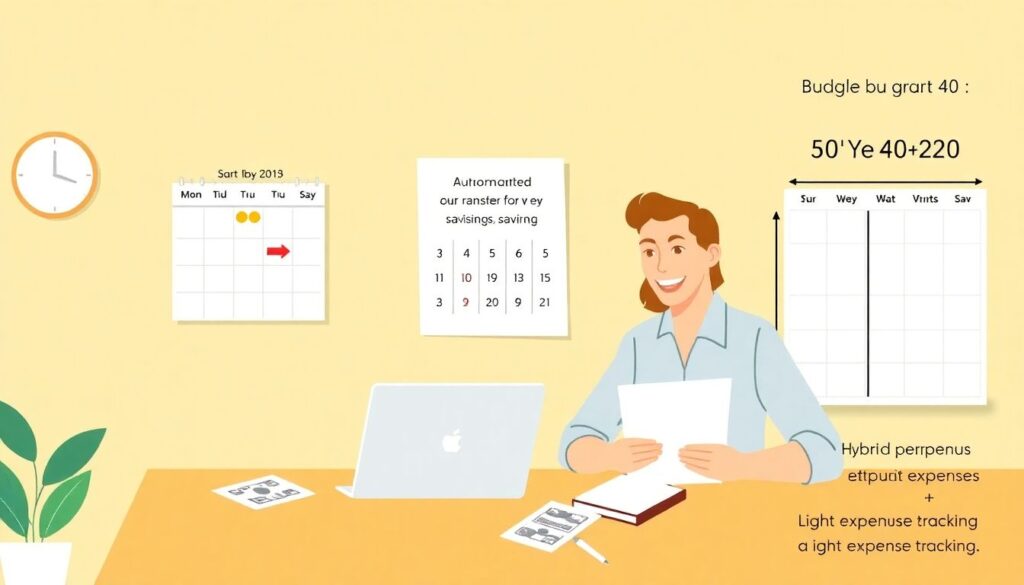
Many of the best budgeting tips for people in their 40s involve blending methods. A popular hybrid is “pay‑yourself‑first” combined with light tracking. You automate retirement and savings at the start of the month, then use a broad plan like 50/30/20 for everything else. Another option is the digital envelope system: you set spending limits for categories such as groceries, dining out or kids’ activities, and track them in an app instead of using actual cash. Compared with pure zero‑based budgeting, these hybrids give you enough structure to hit long‑term targets but enough freedom that you don’t feel punished every time you buy a coffee or take a weekend trip.
Necessary Tools for Modern Budgeting
You don’t need fancy software to manage money, but the right tools make it easier to stay consistent. At minimum, you’ll want three things: a place to see all your accounts, a simple way to track spending and a system to remind you of bills and goals. Some people prefer spreadsheets because they’re customizable and transparent; others stick to a notebook because writing things down helps them stay mindful. For tech‑friendly folks, the best budgeting apps for people in their 40s can connect to bank accounts, categorize expenses automatically and show progress toward debt payoff and retirement targets, which saves time and reduces the chance you’ll just give up.
Choosing Between Apps, Spreadsheets and Pen-and-Paper
Different tools support different personalities. Apps are great if you like automation and quick snapshots on your phone, but they can feel overwhelming with too many charts and alerts. Spreadsheets work well if you enjoy tweaking formulas or want a custom setup for complicated finances, such as multiple incomes or rental properties. Pen‑and‑paper budgeting sounds old‑school, yet it can be surprisingly effective when you’re trying to reset habits, because you physically face every expense. The key is to pick the method you’re actually willing to open every week. An imperfect tool used consistently will beat the “perfect” tool abandoned after two stressful evenings.
Step-by-Step: How to Start a Budget in Your 40s
Step 1–3: Map, Prioritize, Automate
If you’re wondering how to start a budget in your 40s without drowning in details, break it into small, clear moves. Use this simple roadmap:
1. List all take‑home income and fixed bills so you see your baseline.
2. Track every expense for one month to reveal leaks and habits.
3. Rank goals: emergency fund, debt payoff, retirement, kids’ needs, travel and so on.
Once you’ve done that, set target amounts for each goal and automate what you can: transfers to savings, retirement contributions and debt payments. Automation removes willpower from the equation and makes your priorities happen first instead of last.
Step 4–6: Design Daily Rules You Can Live With
Next, turn your numbers into practical daily rules. Step 4: Decide on a structure—zero‑based, 50/30/20 or a hybrid—and plug in your real costs and goals. Step 5: Create simple category limits that reflect life in your 40s: groceries, kids’ activities, healthcare, home maintenance, fun money and “surprise stuff.” Step 6: Schedule a weekly 15‑minute money check‑in to compare your plan with reality. This is where financial planning and budgeting in your 40s becomes a routine instead of a one‑time exercise. Keep the rules short and memorable; “three dinners out per month” is far easier to follow than a complicated restaurant budget with ten subcategories.
Retirement and Long-Term Goals: Getting Serious Without Panicking
You can’t have a real guide to budgeting at this age without retirement and budgeting advice for 40 year olds. The uncomfortable truth is that delaying retirement savings now is far more expensive than it was in your 20s, because compound growth has less time to work. Start by checking how much you’re already saving for retirement and compare it with basic online calculators; they’ll show whether you’re roughly on track. If you’re behind, don’t panic—adjust. Increase contributions whenever you get a raise, redirect extra cash after paying off debts and trim lower‑value spending for a few years. The goal is steady, realistic progress, not an overnight miracle that leaves you feeling deprived.
Troubleshooting: When Your Budget Keeps Breaking
Even with the best budgeting tips for people in their 40s, your first plan will probably fail in some way—and that’s normal. If you constantly blow one category, the issue might be underestimating real costs, not “lack of discipline.” Update the numbers to reflect reality instead of beating yourself up. When irregular expenses like car repairs or school fees keep derailing you, add sinking funds—small monthly amounts saved for those predictable “surprises.” If a partner is involved, money fights often signal mismatched priorities; try creating two sets of personal “no‑guilt” money plus a shared budget so both of you feel respected while still working toward common goals.
Adjusting Approaches as Life Changes
Budgeting in your 40s isn’t a one‑time decision; it’s an ongoing experiment. During stable years, a detailed zero‑based or envelope style might help you aggressively pay down debt or boost retirement savings. During chaotic periods—job changes, health issues, kids starting college—a simpler percentage‑based method may keep you sane. The most important skill is not choosing the “right” method once, but knowing when to switch gears. Revisit your system every six to twelve months and ask: Is this still working for my life? If the answer is no, tweak the approach, not the goal. The destination—security and options in your 50s and beyond—stays the same, even if the route changes.