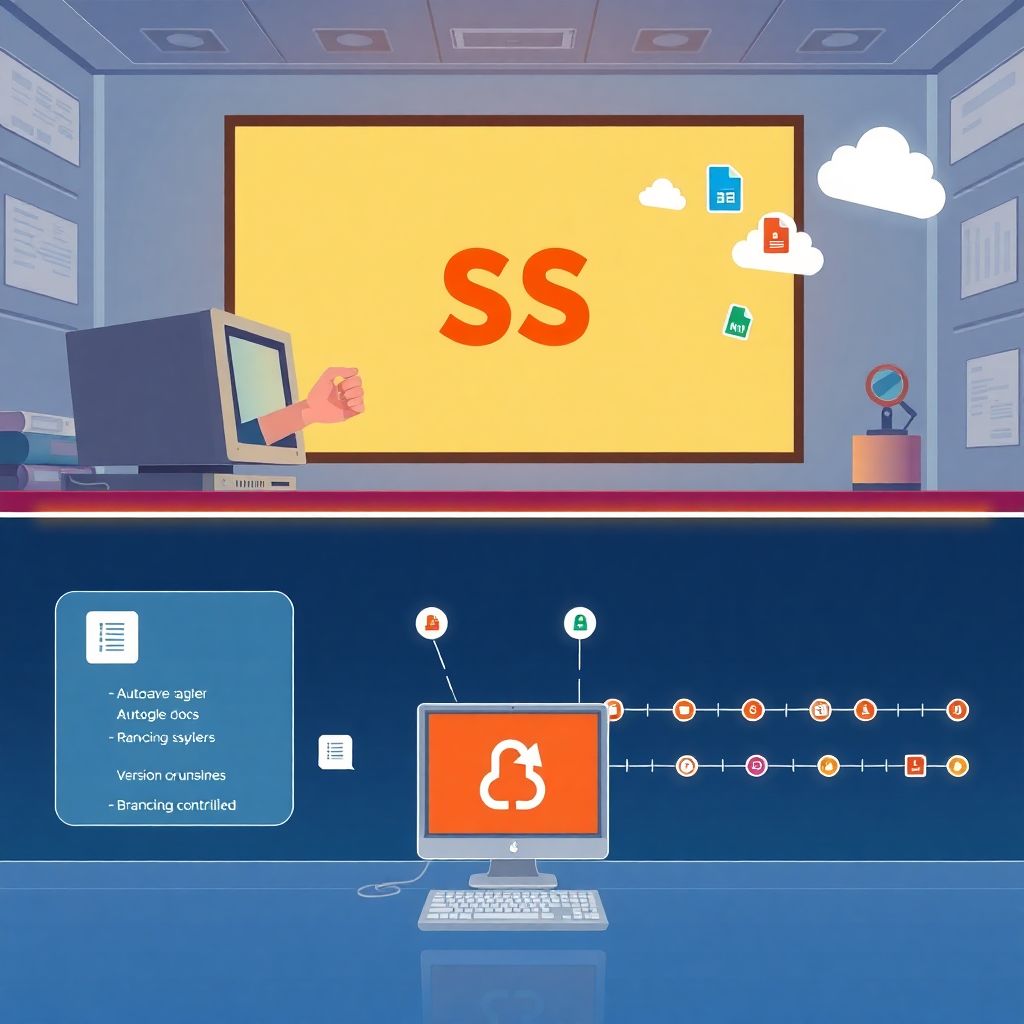
What Does “Save” Really Mean in the Digital Era?

In the age of cloud computing, autosave, and ephemeral storage, the word “save” has become more ambiguous than ever. Just a few decades ago, saving your work meant hitting Ctrl+S to avoid losing hours of progress. Today, many systems automate this process, but the concept remains critical — how, where, and when something is saved can significantly affect data integrity, user experience, and system reliability.
Multiple Approaches to Saving Data
At its core, the act of saving refers to the capture and storage of data in a persistent form. Yet, the method and context of saving can vary dramatically depending on the application domain. Let’s examine three common approaches used today:
1. Manual Save Operations
This is the traditional method, often used in desktop applications like Microsoft Word or Adobe Photoshop. The user explicitly initiates the save process, typically by clicking a button or using a keyboard shortcut. This gives the user control but introduces risks — forgetting to save can lead to significant data loss.
*Example from practice*: A graphic designer working on a large PSD file may spend hours making changes. If their system crashes before they hit save, all those changes are lost.
Technical Detail:
In manual save systems, the file is typically written from memory to disk using file I/O operations. In many desktop environments, this means flushing data to an HDD or SSD via synchronous write operations (e.g., `fs.writeFileSync()` in Node.js or `fwrite()` in C).
2. Autosave Mechanisms
Autosave periodically writes data to storage without user input. It’s a staple of modern web apps like Google Docs, where users don’t need to worry about capturing their progress. The system saves changes incrementally, usually every few seconds.
*Example from practice*: A journalist writing a 3,000-word article in Google Docs automatically has a backup of every single keystroke. If their browser crashes, they lose at most a few seconds of work.
Technical Detail:
Autosave typically relies on event-driven triggers (e.g., input change or keypress) to queue asynchronous save requests. A debounce function is often used to limit how often saving occurs. Data is sent over HTTP(S) to cloud storage or written to a local database like IndexedDB.
3. Version-Controlled Saving
Versioning systems like Git or Dropbox create a history of changes, allowing users to revisit previous states. This is especially useful in collaborative environments or projects where experimentation is common.
*Example from practice*: A developer working on a software project using GitHub can revert to a previous commit when a new feature introduces bugs. This time-machine-like feature is invaluable for debugging and collaboration.
Technical Detail:
Version-control systems use data structures like directed acyclic graphs (DAGs) to track changes over time. Each save (or commit) is a snapshot with metadata, diffs, and references to parent commits. File contents are often stored as blobs with cryptographic hashes to ensure integrity.
Pros and Cons of Each Approach
Each method has its own strengths and limitations:
1. Manual Save
+ Full user control
– High risk of data loss if user forgets
– Inefficient for rapid iteration environments
2. Autosave
+ Reduced cognitive load
+ Minimizes data loss
– Can create performance overhead
– Potential for saving unwanted mistakes
3. Version-Controlled Save
+ Full history of changes
+ Ideal for collaboration
– Steeper learning curve
– Increased storage requirements
Real-World Usage: Which Model Wins?
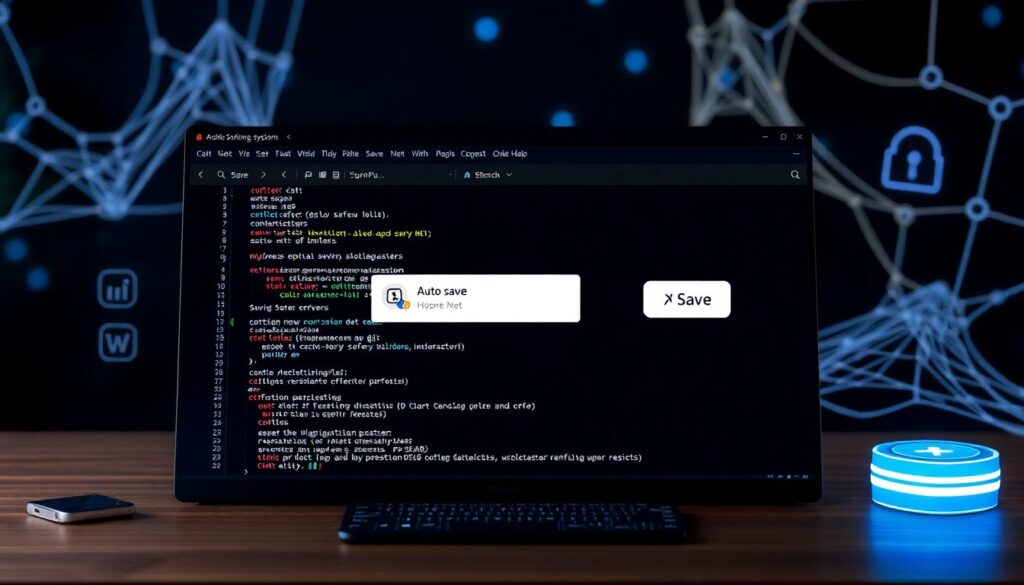
In reality, no one method suits all needs — and most modern systems use a hybrid. For instance, modern code editors like Visual Studio Code implement autosave, while still offering manual save and Git integration. This blend ensures that even if something goes wrong, several safety nets exist.
According to a 2023 report by Stack Overflow, over 70% of developers use Git daily, while 64% prefer editors with autosave features. This demonstrates how critical layered saving mechanisms have become in modern workflows.
Best Practices for Implementing Save Logic
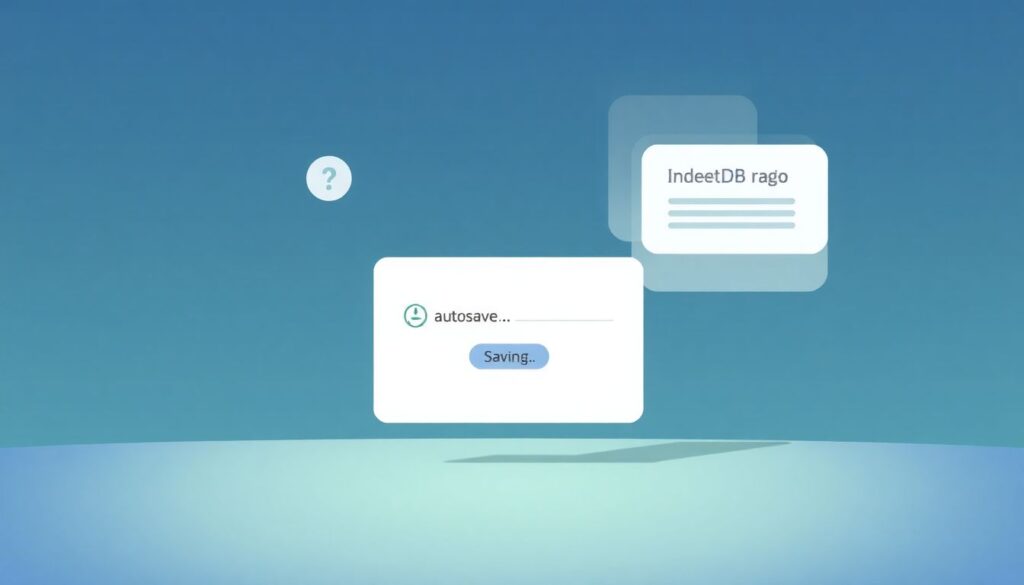
If you’re designing a system that handles user data, consider these best practices:
1. Implement autosave with user feedback
Let users know when data is being saved and allow undo operations.
2. Use local caching for offline resilience
Store data in local storage or IndexedDB so users don’t lose changes if a connection drops.
3. Provide manual save as a fallback
Some users still prefer the reassurance of pressing “Save.” Give them the option.
4. Version history where possible
Allow users to roll back changes, especially in collaborative or creative apps.
5. Emphasize security and integrity
Use encryption and data checksums to ensure that saved data is safe and accurate.
Conclusion: Saving Is More Than a Button
“Save” is no longer a single event — it’s a continuous, layered strategy to preserve user data. Whether you’re writing a novel, coding a web app, or designing a logo, knowing that your work is safe gives you the freedom to create fearlessly. The best systems combine the strengths of manual control, automation, and versioning to ensure nothing is ever truly lost.
As technology continues to evolve, so too will how we think about saving. But one principle will remain unchanged: data worth creating is data worth protecting.