
Most people don’t wake up thinking, “I can’t wait to make a budget today.” Yet if you’re trying to fix your credit, your budget is actually one of the most powerful tools you have. In 2025, with money moving through contactless payments, buy-now-pay-later, and dozens of subscription traps, it’s incredibly easy to lose track. This guide walks you through how to use budgeting to steadily build a better credit score, without jargon and without pretending it’s all magically quick or painless.
From Paper Ledgers to Apps: Why Budgeting Matters for Credit
A hundred years ago, credit largely meant a handshake deal with your local shopkeeper, written down in a ledger. By the 1950s, credit cards arrived and banks started using more formal scoring methods. Modern credit scores, like FICO, exploded in the 1980s and 1990s, and by the time we hit 2025, algorithms track decades of your financial behavior in seconds. The system changed, but the core idea didn’t: show that you borrow responsibly and pay reliably. Budgeting is the bridge between your daily spending choices and the picture that your credit report shows lenders. If you want to know how to improve credit score fast compared with doing nothing at all, the first realistic move is controlling cash flow so bills are always current and balances stay manageable.
How Your Budget Talks to Your Credit Score
Your credit score is basically a math formula built on a few habits: paying on time, how much of your available credit you use, how long you’ve had accounts, and how often you apply for new credit. Your budget controls the first two directly. A solid plan ensures every bill has a “home” in your income before you spend on anything optional, which cuts late payments. It also helps you send a bit extra toward credit cards so your utilization ratio—the share of credit you’re using—stays low. That’s the less flashy but far more realistic version of how to raise credit score in 30 days: reduce unnecessary card balances, avoid new late fees, and keep new applications to a minimum.
Essential Tools: What You Actually Need to Get Started
You don’t need a finance degree or a fancy setup to build this. At minimum, you need three things: a list of all income sources, a list of every recurring bill and debt, and a simple way to track where your money goes each week. In 2025, the best budgeting apps to build credit link directly to your bank and card accounts, show your upcoming bills on a calendar, and alert you when you’re close to overspending a category. Try a few free options and pick the one you’ll actually open regularly. If you dislike apps, a spreadsheet or notebook still works; what matters is consistency. Add in automatic payment setups for your smallest, most predictable bills, so you reduce the chance of forgetting and hurting your credit over something trivial like a streaming service or cell phone bill.
Step-by-Step: Build a Budget That Supports Your Credit
Here’s a straightforward process you can follow, even if you’ve never made a budget before. Don’t worry about perfection the first month; your only goal is to get visibility and stop surprises from wrecking your payment history.
1. Gather your data
Pull the last two or three months of bank and credit card statements. List your net income (what hits your account), then write down every recurring bill: rent, utilities, minimum loan and card payments, insurance, subscriptions, and anything you must pay to avoid fees or service cuts. Include irregular items like car registration or annual fees by estimating a monthly amount.
2. Separate needs, obligations, and wants
Split your spending into three groups: essentials (housing, food, utilities), debt obligations (minimums on loans and cards), and lifestyle spending (restaurants, entertainment, impulse buys). This isn’t about guilt; it’s about clarity. To protect your credit score, debt obligations and essentials should get priority in your plan before optional spending even enters the conversation.
3. Create a realistic monthly plan
Assign every dollar of your expected income to a category: bills, savings, extra debt payments, and flexible spending. Many people like the “50/30/20” style (needs/wants/saving and debt), but your percentages may differ, especially if you’re catching up on late payments. Make sure every minimum payment on every debt is explicitly listed; treating those as non‑negotiable is the foundation of credit repair.
4. Schedule your payments in line with paydays
Look at your pay dates and your due dates side by side. If a due date falls awkwardly right before payday, call the lender and request a new date; they often agree, especially for credit cards to rebuild credit score. Then align automatic payments or reminders with your paychecks so that money exits your account for bills before you feel “rich” and overspend.
5. Plan extra payments strategically
Once your bare‑bones budget is stable, direct any extra you can toward the highest‑interest balance or the card that’s closest to its credit limit. Paying these down reduces your utilization ratio, which has a large, often fast influence on your score. This step may not feel like how to improve credit score fast, but even one or two billing cycles of lower utilization can move the needle noticeably.
6. Review weekly and adjust monthly
Once a week, quickly compare your actual spending to your plan. If groceries or gas are running higher than expected, trim another category before the month ends. Once a month, revise the plan: cancel subscriptions you barely use, increase automatic savings by a few dollars if you can, and recheck your debt balances. The habit of tiny, regular adjustments matters more than any one “perfect” budget.
Using Budgeting Apps and Automation Without Losing Control
Tech can help, but only if you stay in charge. Many people install an app, connect accounts, and assume the software will “fix” their finances. In reality, you still need to decide what gets paid first, how much flexibility you want, and which alerts you’ll actually use. Apps that categorize spending automatically are great, but they sometimes mislabel purchases, so the first month or two, check categories and correct them. Most modern tools will even suggest small changes—like shifting extra cash to debt payoff at the end of the month—that directly support your goal of better credit. Remember: automation should safeguard essentials and minimum payments; manual decisions are better for optional spending so you stay mindful.
Debt Priorities: Protecting Your Score While You Dig Out
If you’re already carrying balances or have late payments behind you, your budget has two missions: stop new damage and slowly reverse old problems. First, make late payments current as soon as possible. A payment that’s 90 days late hurts far more than one that’s 30 days late, so your plan should focus on catching up before throwing big extra amounts at already‑current cards. Second, reduce any card that’s over 30%–50% of its limit; that’s where utilization starts to penalize your score. When friends or ads promise how to raise credit score in 30 days, this is usually what they mean in practice: catch up late accounts and bring down high‑utilization cards just enough that algorithms see you as less risky.
When to Consider Extra Help: Services and New Credit Lines
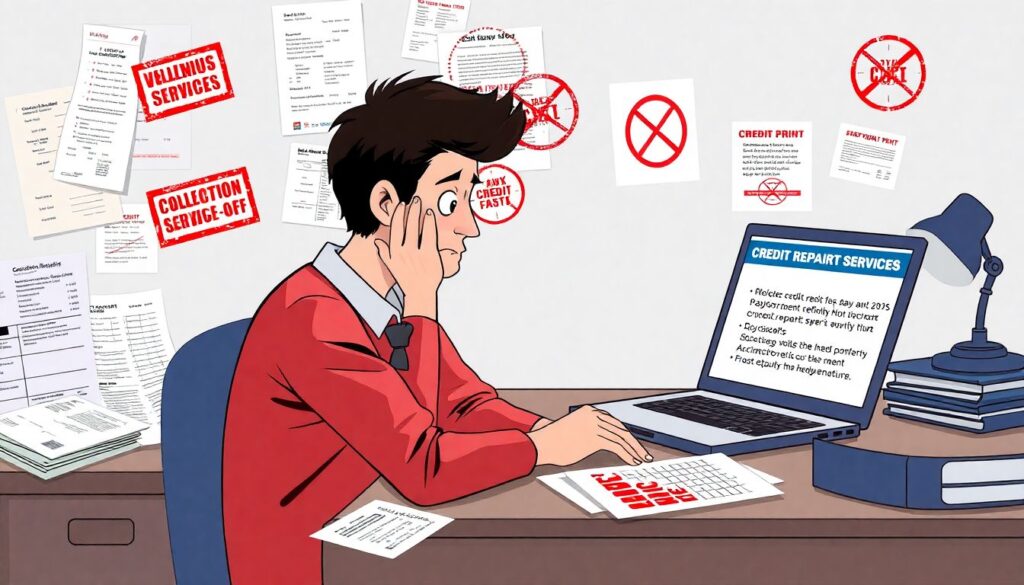
Sometimes the damage is already big—collections, charge‑offs, or a long history of missed payments. In those cases, you might look at credit repair services for bad credit or ask whether opening a new account could help. Proceed carefully. Many “repair” offers in 2025 are expensive and do little that you cannot do yourself: disputing errors, asking creditors for goodwill adjustments, and setting up payment plans. Before paying anyone, check reviews, verify licenses where applicable, and make sure they’re transparent about fees and realistic timelines. On the other side, some people benefit from secured cards or specific credit cards to rebuild credit score, where you put down a deposit and use the card lightly while paying in full each month. Your budget should include that deposit and a very small monthly usage plan so the card improves your history instead of becoming one more problem.
Common Budgeting Mistakes That Quietly Hurt Your Credit
Plenty of people think they have a budget because they “roughly know” their bills. But vague awareness doesn’t prevent missed payments. A few frequent traps: underestimating irregular costs like car repairs or school expenses, forgetting annual fees that hit a quiet month, and assuming you’ll “make up for it next month” after overspending. Each of these can trigger late or partial payments that blemish your credit report. Another mistake is paying only minimums on all debts for years while continuing to swipe cards for everyday spending; the balance never drops, utilization stays high, and your score stagnates. A more effective approach is to protect your essentials, hold lifestyle spending steady or even reduce it, and then systematically target one balance at a time while keeping others current.
Troubleshooting: What to Do When the Plan Isn’t Working
Even solid budgets break down—unexpected layoffs, medical bills, family emergencies, or just miscalculations. When that happens, respond early instead of hiding from it. If you realize you can’t make all payments this month, contact lenders before the due date and ask about hardship options, temporary lower payments, or due‑date shifts. Many providers would rather help you adjust than report a late payment. Next, rebuild your numbers honestly: new income, new expenses, and a stripped‑down version of your plan that truly fits. If the gap between your income and essential bills plus bare‑minimum debt payments is still huge, that’s a signal you may need professional advice from a non‑profit credit counselor, not an expensive quick fix. They can help negotiate with creditors and design a modified payoff plan that still supports your long‑term score.
Balancing Real Life and Long-Term Credit Goals

History shows that credit systems keep evolving—from local trust to national bureaus to algorithmic scores—but one pattern never changes: consistency beats drama. You don’t have to live an ultra‑frugal life forever or obsessively check your score every day. What matters is that your budget gives you a clear view of what you can afford, keeps payments on time, and leaves a little room for savings so emergencies don’t knock you back to square one. Over six to twelve months, those quiet, predictable choices begin to outweigh past mistakes on your credit report. In 2025, with more data available than ever, lenders can see your steady turnaround just as clearly as they once saw your slip‑ups. Your job is not to chase miracles, but to build a simple money system you can stick with—one that quietly, reliably nudges your credit score higher month after month.