
Why Budgeting Today Matters More Than Ever
Budgeting used to sound like something only accountants and “spreadsheet people” did. Now it’s survival gear. Housing eats up a bigger slice of income, student debt is common, and digital payments make it dangerously easy to lose track of where your cash goes.
According to various surveys in the US and Europe, around 55–60% of people live paycheck to paycheck, even among middle‑income households. Yet those who use a simple budget are significantly more likely to have an emergency fund and less likely to carry high‑interest credit card debt. In other words: the bar is low, and just doing the basics already puts you ahead of the crowd.
This beginner’s guide isn’t about shaming your past decisions or forcing you into a monk-like lifestyle. It’s about building smart money habits that quietly compound over a lifetime—without spreadsheets taking over your evenings.
—
Step Zero: Rethinking What a “Budget” Actually Is
Most people imagine a budget as a rigid monthly prison: “You may not buy coffee.” That mindset kills motivation fast.
A more useful view: your budget is a money map. It tells your cash where to go *before* the month happens, so your goals get funded on purpose, not by accident.
Think of it as:
– A plan for your future self (retirement, freedom to change jobs, travel)
– A shield for your present self (emergency fund, debt protection)
– A filter for your impulses (so you choose which ones deserve your money)
If you’ve been searching how to start budgeting for beginners and feel overwhelmed, start by dropping the guilt. You’re not “bad with money”; you just haven’t been taught a system that fits how real people live.
—
Step One: Know Your Real Numbers (Not the Ones in Your Head)
Track Without Torturing Yourself
You don’t need to log every cent for a year. You need a *clear snapshot* of your normal month.
For 30 days:
– Use your banking app’s auto‑categories
– Or export transactions and just group them roughly: housing, food, transport, subscriptions, fun, debt, savings
That’s it. No perfect categories, no color-coding. Your goal is to see patterns like: “Wow, I spent more on delivery than on actual groceries.”
Here’s where the economic aspect kicks in: inflation doesn’t just raise prices; it distorts your memory. Most people underestimate “leakage” spending (small, frequent purchases) by 20–30%. Your brain rounds down; your bank account does not.
—
Unconventional Move: Budget Backwards
Instead of asking, “What should I spend?” start with: “What do I *refuse* to sacrifice?”
Maybe that’s:
– Therapy or mental health support
– One hobby that keeps you sane
– Visiting family twice a year
Lock these in first. Then trim from the things you don’t truly care about. Budgeting that starts from what matters is much easier to stick with than a list of “don’ts.”
—
From Chaos to Categories: Your First Simple Budget

Let’s build a structure that works even if your income is unstable or low.
A classic starter breakdown:
– 50–60% Needs (housing, utilities, groceries, basic transport)
– 10–20% Financial goals (debt payoff, savings, investments)
– 20–30% Wants (restaurants, entertainment, travel, non‑essential shopping)
Can’t hit those percentages yet? Not a problem. They’re a *direction*, not a test. Especially if you’re figuring out how to save money on a low income, your first win might just be moving from 0% savings to 2–3%. That alone is a big structural shift.
To keep things simple, use a personal budget plan template free from a reputable site or build your own with just three sections: Income, Essential Expenses, Non‑Essential + Goals. Don’t obsess over details. The most effective beginner budget fits on one page.
—
Envelope Method… Without Actual Envelopes

The old-school cash envelope system works because it forces limits. You pre‑decide: “This is my food money; when it’s gone, it’s gone.”
Now we can do the same digitally:
– Create sub‑accounts or “spaces” in your banking app
– Label them: Bills, Groceries, Freedom Money, Goals
– On payday, split your income into those mini-buckets
This “digital envelope” approach is particularly powerful for money management tips for young adults who are used to phone‑based banking anyway. Instead of fighting your tech habits, you harness them.
—
Tech Side: Choosing Tools That Don’t Annoy You
You don’t need a dozen tools; you need one that you’ll actually open more than once.
Look for the best budgeting apps for managing money that:
– Sync with your bank automatically
– Let you create simple categories or “buckets”
– Show you at a glance what’s left for the month in each area
If you hate data entry, choose automation-heavy apps. If you like control and detail, a customizable app or a Google Sheet might suit you better. The “best” app is the one that matches your personality, not someone else’s ranking.
—
Unusual Tactic: Time-Box Your Money
Instead of only assigning money to categories, assign it to *time*:
– Week 1: Groceries + transport
– Week 2: Groceries + social spending
– Week 3: Groceries + buffer
– Week 4: Groceries + fun
You divide your variable spending by four and treat each week as a mini‑month. This smooths out mid‑month crashes where people realize, “I spent half my paycheck in 10 days.”
—
The Psychology: Why Budgets Fail (And How Yours Won’t)
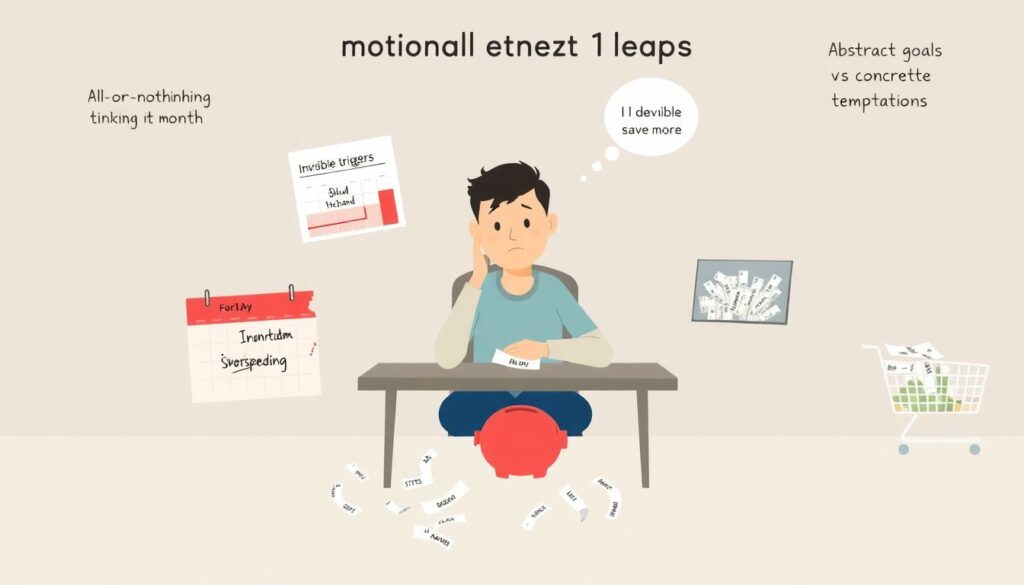
Budgets usually break not because of math, but because of emotion.
Common traps:
– All‑or‑nothing thinking: One overspend = “screw it, I blew the month.”
– Invisible triggers: Stress, boredom, social pressure.
– Abstract goals: “I should save more” is too vague to fight a concrete Amazon cart.
Some unconventional but effective fixes:
– Give your goal a face and date: “This €500 is for my brother’s wedding trip in June.”
– Create friction for impulse buys: 24‑hour rule before any purchase over a certain amount.
– Use automation as a shield: money moves to savings the moment income arrives, before you see it as “spendable.”
Over time, this reframes budgeting from restriction to *self‑respect*: “I like myself enough to plan for my future.”
—
Stats, Trends, and the Future of Personal Budgeting
We’re not budgeting in a vacuum; the world around your wallet is shifting fast.
– Household debt in many developed countries is at or near historic highs
– Interest rates are higher than the 2010s, making bad debt more expensive
– Cashless payments are now the norm in many cities, which studies show can increase spending because purchases feel less “real”
Forecasts from financial institutions and fintech research suggest a few big trends for the next 5–10 years:
– Hyper‑personalized money coaching inside banking apps, using AI to flag overspending or opportunities to save
– Real‑time budgets that adjust mid‑month based on your actual spending and economic news (e.g., fuel price spikes)
– Growing pressure on individuals to secure their own retirement as state pensions and employer plans become less generous in real terms
In this context, even a very simple budget is a competitive advantage. As automation and AI reshuffle labor markets, people with some financial cushion and clarity on their spending can adapt faster to job changes or training opportunities.
—
Economic Aspects: Why Your Budget Is a Micro-Economy
Your personal budget is a tiny version of a national budget: income, expenses, investment, risk management. The same principles apply:
– If spending always equals income, there’s no buffer for shocks
– If debt funds consumption instead of investment, future you gets squeezed
– If you track where money goes, you can reallocate to higher priorities
Think of your money like a small business. A business that never looks at costs, margins, or cash flow doesn’t last. You are the CFO of “You, Inc.”
Inflation makes this even more critical. A 3–5% annual rise in costs, compounded over several years, can quietly erase your wiggle room. Without a budget, you only notice when overdraft fees show up. With a budget, you spot the squeeze early and can:
– Negotiate bills or subscriptions
– Shift to cheaper suppliers or services
– Increase income intentionally (overtime, freelance projects, upskilling)
—
Industry Impact: How Your Budget Shapes Markets
It’s easy to feel like an invisible consumer. But collectively, budgeting behavior changes entire industries.
– When more people track subscriptions, “ghost” services see higher cancellation rates, pushing companies toward clearer pricing and better value.
– As users adopt budgeting apps and digital envelopes, banks and fintechs race to offer built‑in tools, shifting competition from “lowest fees” to “best guidance.”
– Conscious spending reduces impulse‑driven purchases, which can push retailers to move away from pure volume towards loyalty and quality.
Fintech forecasts show continued growth in digital wallets, micro‑investing platforms, and subscription‑based financial coaching. Budgeting is becoming less about a static spreadsheet and more about an interactive ecosystem: your bank, your phone, and your future goals all “talking” to each other.
By engaging with these tools instead of ignoring them, you signal to the market that you value clarity and support—not just instant credit.
—
Practical Moves: Building a Lifetime of Smart Habits
Let’s put this into concrete, beginner‑friendly steps you can start this week.
Day 1–3: Snapshot and Choices
– Pull the last 30 days of transactions
– Roughly categorize: needs, wants, debt, savings
– Identify one or two areas of obvious overspend (delivery, random online shopping, etc.)
– Decide your “non‑negotiables” you’re not willing to cut
Day 4–7: Simple Budget + Automations
– Use a basic personal budget plan template free or make a one-page layout
– Allocate your next paycheck into a few big buckets
– Set up automatic transfers: one for bills, one for savings, one for everyday spending
Bulletproof moves:
– Automate savings on payday (even if it’s $10 or €20)
– Turn off card details saved in browsers/apps to slow down impulse spending
– Switch at least one big regular cost (insurance, phone plan, internet) after comparison shopping
—
Unconventional but Powerful Ideas
To keep things from feeling like a financial diet, try a few creative twists:
– “Spending fast” by category, not everything
One month: no clothing purchases, but everything else normal. Next month: no food delivery. You see big savings without feeling globally deprived.
– The One‑In, One‑Out rule
For non‑essentials, every new purchase must replace or upgrade something you sell or donate. This automatically slows clutter and spending.
– Social accountability, not social pressure
Share a screenshot of your savings goal tracker in a private chat with one or two trusted friends. Not to brag, but to stay motivated together.
—
Young, Broke, and Still Worth a Plan
If you’re early in your career (or still in school), you might think: “I’ll budget when I make real money.” That thinking is expensive.
The most effective money management tips for young adults are rarely glamorous:
– Avoid high‑interest debt like the plague
– Build even a tiny emergency buffer
– Track enough to know your usual monthly cost of living
Because of compounding, one habit started at 22 can beat heroic efforts started at 35. Even $30 a month saved consistently for years can dramatically change your resilience to job loss, rent hikes, or sudden expenses.
—
Low Income? The Rules Bend, but They Don’t Break
When money is genuinely tight, typical budgeting advice can feel detached from reality. You can’t “cut lattes” if you’re not buying them in the first place.
Here the priorities shift:
– First: stabilize—cover basic needs reliably
– Second: protect—avoid predatory loans and recurring overdrafts
– Third: build—tiny, consistent savings and income experiments
If you’re working out how to save money on a low income, think in terms of systems, not heroics:
– Schedule one hour a month to renegotiate or compare: utilities, phone, internet, banking fees
– Use community resources you’re actually entitled to: tax credits, subsidies, benefits
– Explore low‑risk side income that fits your energy and schedule: small freelance tasks, local services, selling unused items
Small structural changes (e.g., avoiding a $25 overdraft fee every month) can free more cash than trying to shave $5 off groceries forever.
—
The Long Game: Turning Budgeting into Identity
Budgeting sticks when it becomes part of how you see yourself, not just something you “try.”
Instead of, “I’m bad with money,” aim for:
“I’m someone who checks in with my money once a week.”
That shift matters more than the perfect app or the fanciest spreadsheet. Over years, your consistent, slightly‑improving choices will:
– Lower your financial stress baseline
– Give you more freedom to say no (to toxic jobs, to bad deals, to pressure purchases)
– Open doors to opportunities you actually care about
Your beginner’s guide to budgeting doesn’t need to be perfect or complex. It needs to be *yours*, flexible, and rooted in respect for your future self. Start small, stay curious, and let each month teach you something new about how your personal economy really works.