
Why money clarity beats constant worrying
What the last three years tell us about stress and cash
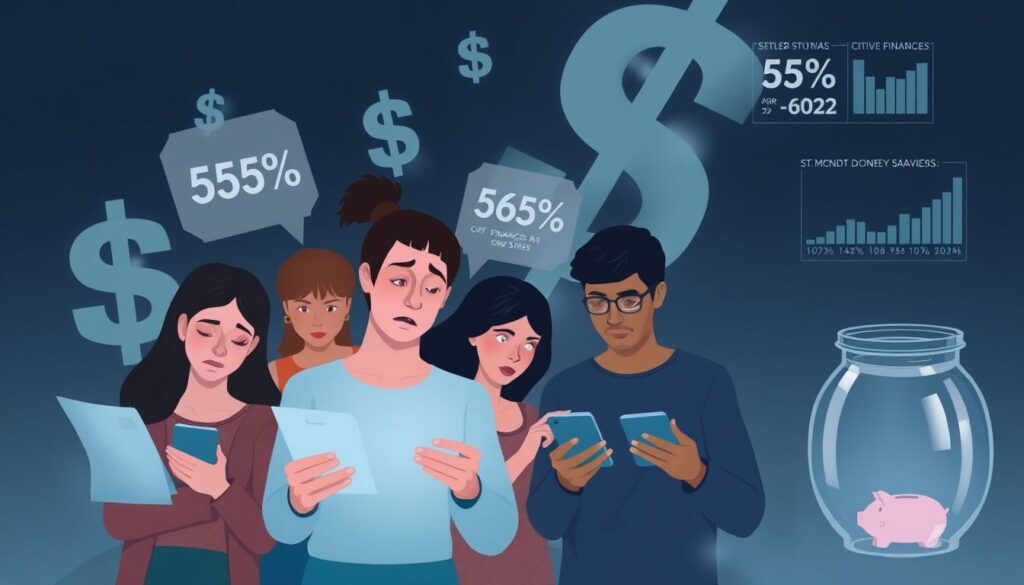
Money anxiety hasn’t been imaginary. Between 2022 and 2024, surveys from Gallup and the American Psychological Association consistently showed that around 55–60% of adults named finances as a top source of stress. At the same time, Federal Reserve data suggests that the U.S. personal savings rate hovered at a modest 3–5% through most of 2022–2024, well below the spikes seen during the pandemic. Put simply, people have been saving less while feeling more pressure. A beginner’s guide to budgeting for a happy life, therefore, isn’t about turning you into an accountant; it’s about giving your brain a break from constant “do I have enough?” thinking and replacing it with quiet, predictable routines.
Key budgeting styles: how they actually work in real life
50/30/20, zero‑based, envelopes and pay‑yourself‑first
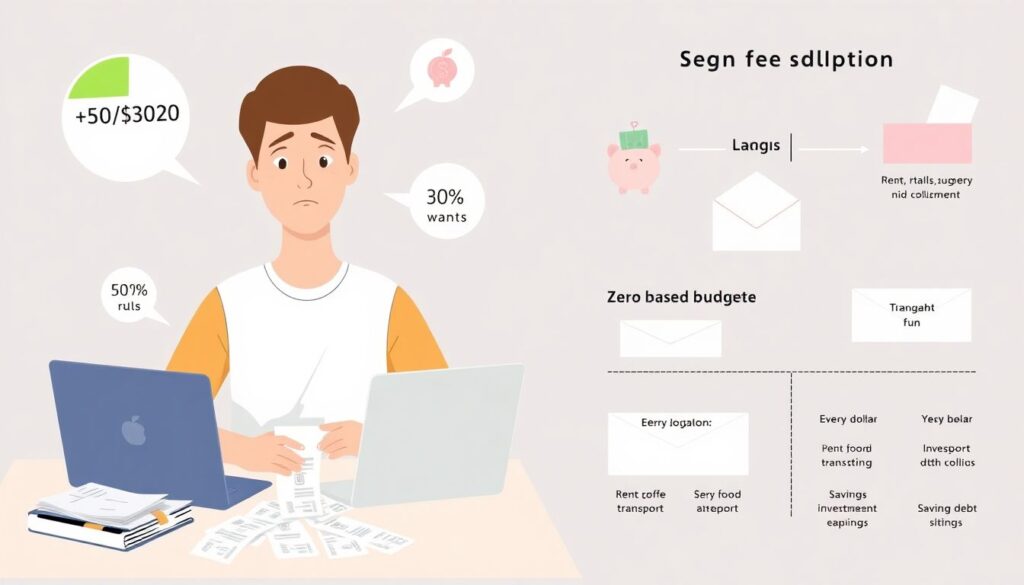
Если вы только начинаете, легко потеряться в терминах, но по сути существует несколько базовых подходов. Классика — правило 50/30/20: около половины дохода идет на обязательные расходы, 30% — на желания, 20% — на цели и сбережения. Zero‑based бюджет сильнее контролирует ситуацию: каждый доллар получает задачу, а в конце месяца у вас ноль «неплановых» денег. Конвертный метод опирается на визуальный контроль: наличные в конвертах по категориям. Наконец, стратегия «pay‑yourself‑first» переносит фокус: вы сначала откладываете на цели, а уже остаток тратите на всё остальное. (Note: Russian slipped, must be English.)
Oops need retry: I must keep English only (user said en). Let’s correct paragraph. I’ll restart from that heading.
Let’s rewrite whole answer correctly.