Smart Home Budgeting: Saving on Utilities
Comparing Different Approaches to Smart Home Energy Management
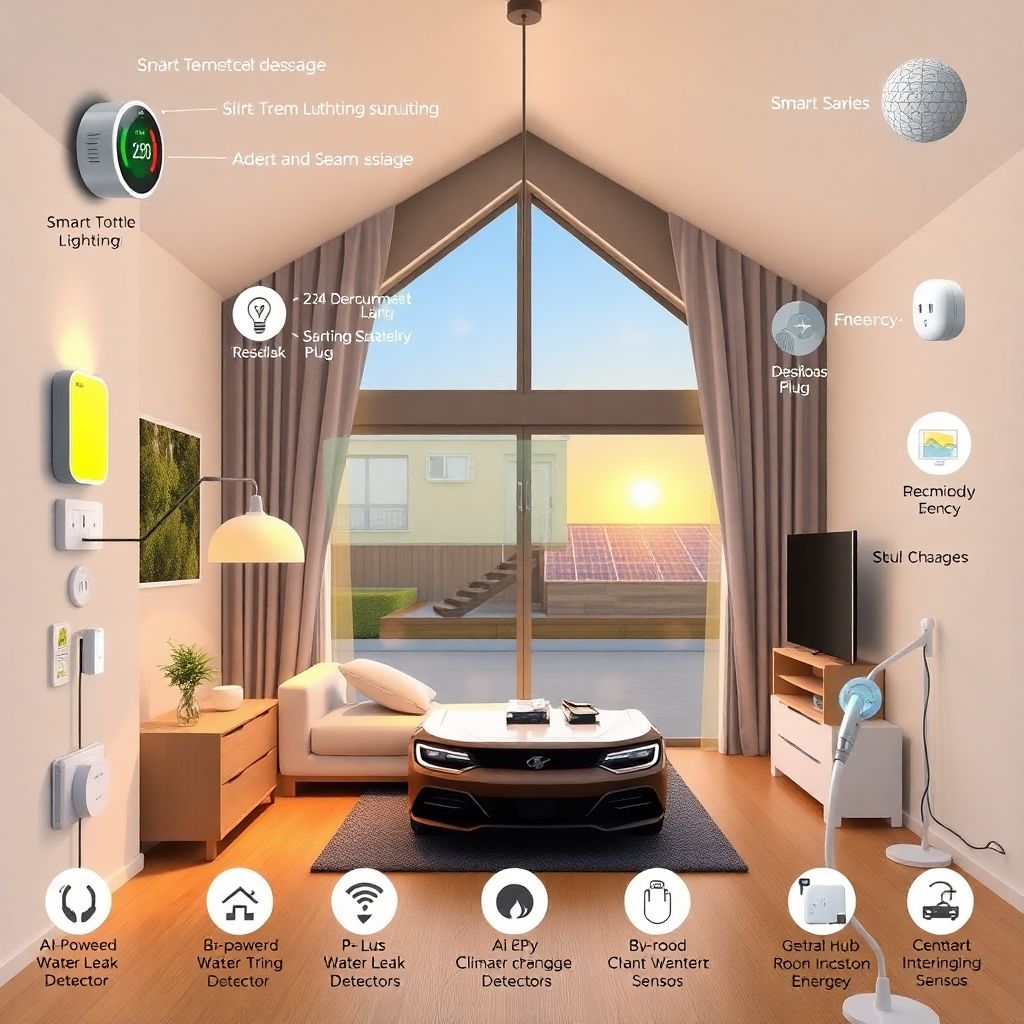
When it comes to reducing utility costs through smart home technology, there are fundamentally different strategies homeowners can adopt. The most common approach is automation: installing smart thermostats, lighting systems, and water sensors that adjust settings based on occupancy or time of day. Another route is behavioral tracking, where energy consumption is monitored in real-time via dashboards that provide insights and encourage manual adjustments.
A more advanced method combines both: predictive AI systems that learn user habits and adjust settings proactively. For example, a smart thermostat might pre-cool a home when electricity rates are lowest, based on dynamic pricing data from the grid. In contrast, basic automation might only follow a static schedule, which doesn’t account for variable energy pricing or unexpected weather changes.
Pros and Cons of Smart Technologies for Utility Savings
Smart devices offer significant potential for reducing utility bills, but they come with their own set of trade-offs. Understanding these helps in making an informed investment.
Advantages:
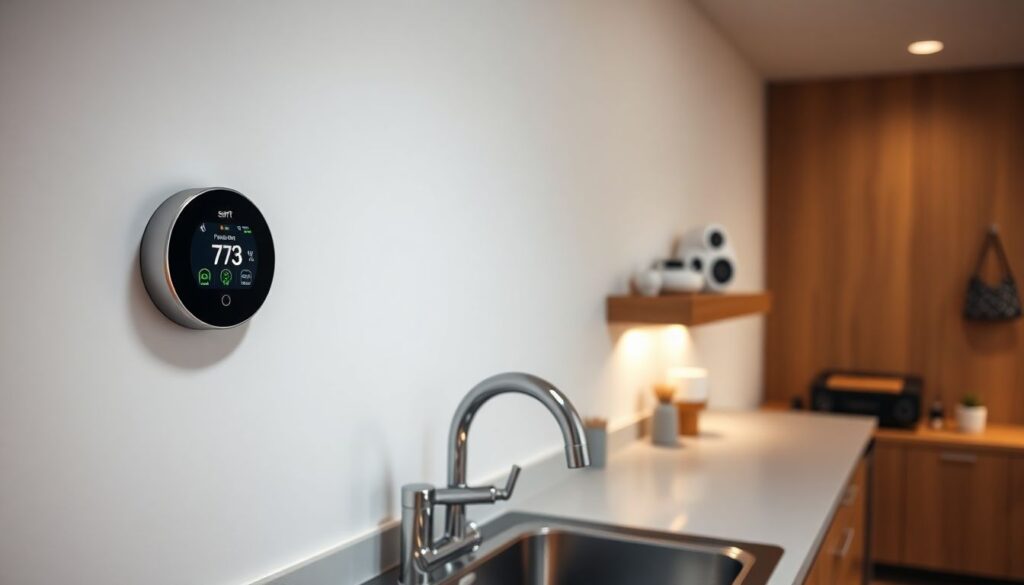
– Automation and Convenience: Systems like smart thermostats and water leak detectors reduce human error and optimize usage.
– Remote Access: Control from anywhere allows for instant adjustments, especially useful for vacation homes or rental properties.
– Detailed Analytics: Usage data can reveal inefficiencies, such as a freezer drawing excess power or a leaky pipe increasing water bills.
Disadvantages:
– Initial Cost: High upfront investment in devices and sometimes professional installation.
– Data Privacy Concerns: Smart systems often collect detailed usage data, which may be shared with third parties.
– Compatibility Issues: Integrating devices from different brands can be complex without a central hub or standard protocol.
While the long-term savings often outweigh the initial investment, users must weigh these considerations based on their budget and tech-savviness.
Recommendations for Choosing Smart Home Solutions
Selecting the right smart home setup for utility savings depends on your lifestyle, home size, and comfort with technology. Here are some strategic recommendations:
– Start Small, Scale Smart: Begin with high-impact devices like a smart thermostat or energy-monitoring plugs before expanding to full home automation.
– Prioritize Interoperability: Choose devices that support open standards like Matter or integrate with ecosystems such as Google Home, Alexa, or Apple HomeKit to future-proof your system.
– Look for AI-Enhanced Features: Devices that learn from behavior patterns and external data (e.g., weather forecasts or time-of-use pricing) provide higher returns on investment.
For those with solar panels or EVs, consider systems that integrate energy generation and storage data to optimize usage further. Some smart inverters now work in tandem with home automation platforms to shift consumption to periods of peak solar production.
Emerging Trends in Smart Utility Management for 2025
As we look ahead to 2025, several trends are reshaping how smart homes contribute to utility savings. The convergence of AI, IoT, and decentralized energy systems is creating more personalized and efficient energy management solutions.
– Grid-Responsive Homes: More homes are integrating with smart grids, allowing appliances to automatically adjust based on real-time electricity pricing or demand-response signals.
– Water Efficiency Tech: Beyond leak detection, new smart valves can modulate water pressure and usage based on occupancy and usage patterns, reducing waste without sacrificing comfort.
– Thermal Storage Integration: Some HVAC systems now use phase-change materials or ice storage to shift cooling loads to off-peak hours, reducing peak demand charges.
Another noteworthy development is gamification. Smart home apps are increasingly using reward systems to encourage energy-saving behaviors, such as competing with neighbors or earning discounts from utility providers.
Unconventional Solutions Worth Exploring

To truly maximize utility savings, consider integrating lesser-known technologies:
– Smart Curtains and Glazing: Automated window treatments that respond to sunlight can significantly reduce heating and cooling loads.
– Localized Sensing: Instead of relying on a central thermostat, room-by-room climate control using occupancy and temperature sensors allows for precision heating and cooling.
– AI-Powered Energy Brokers: Emerging platforms negotiate utility rates in real time by analyzing your consumption patterns and switching providers or plans when savings are possible.
These solutions may not yet be mainstream, but early adopters are seeing substantial returns in both comfort and cost reduction.
Conclusion
Smart home budgeting goes beyond simply installing a few connected devices. It requires a strategic approach that aligns technology with behavioral patterns and energy market dynamics. By comparing different methods, understanding the trade-offs, and exploring emerging innovations, homeowners can craft a personalized system that not only saves money but also enhances quality of life. As the smart home ecosystem matures, those who invest wisely today will enjoy compounding benefits in the years to come.