Why budgeting isn’t just for “money people”
Budgeting sounds dry, but in practice it’s just a way to tell your money what to do before it disappears. Think of it as a map: you choose the destination, the budget shows the route. Financial planners often say the first big win is clarity, not savings. Once you see where cash actually goes, you can decide what deserves your money and what doesn’t. This beginner’s overview strips budgeting down to simple actions so you can make clear financial planning decisions without needing a degree in economics or a pile of complicated spreadsheets.
Tools that make budgeting less painful

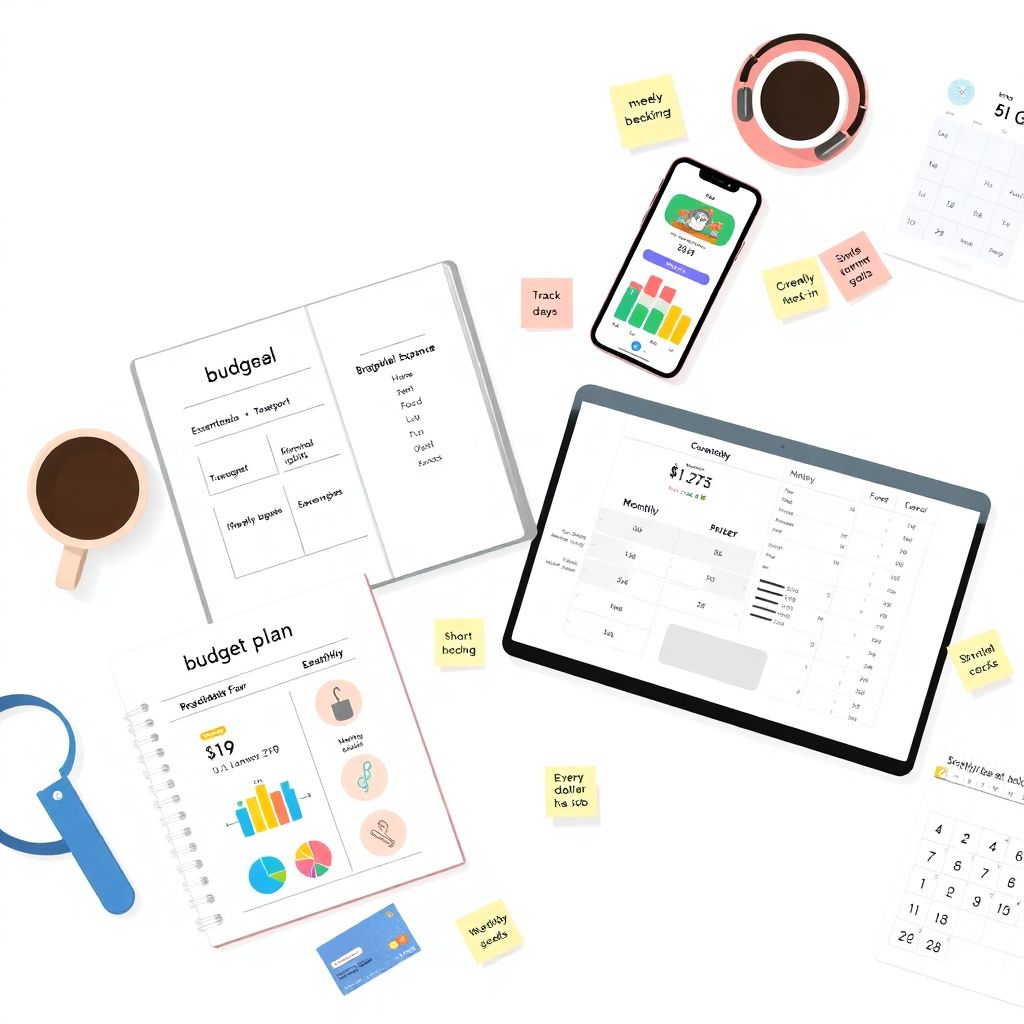
You don’t have to build everything from scratch. A simple notebook works, but digital tools lower the barrier. Many experts recommend starting with the best budgeting apps for beginners that automatically sync with your bank, categorize spending and send gentle alerts before you overshoot. If you like structure, a personal budget planner online can guide you with ready-made categories and graphs. Financial coaches suggest picking one main tool and sticking to it for at least three months; constant hopping between apps usually masks avoidance rather than improving your money skills.
Templates and planners: start simple, not perfect
New budgeters often freeze at the template stage, trying to design the “perfect” system. Skip that. To understand how to create a monthly budget template, begin with just four buckets: essentials, financial goals, lifestyle, and irregular expenses. Experts advise giving each bucket a percentage of your income instead of obsessing over exact numbers on day one. Over a couple of pay cycles you’ll refine the categories. Whether you use a spreadsheet or a guided planner, the real value is consistency: updating it weekly trains your brain to notice patterns before they become problems.
Step 1: Track reality before you “fix” it
Every reputable budgeting course for beginners online starts with the same mildly uncomfortable step: track everything you spend for at least 30 days. Don’t judge, don’t cut yet, just observe. Pull bank and card statements, plus any cash notes. Experts recommend grouping expenses into broad families—housing, transport, food, fun—so trends pop out quickly. This “money audit” often reveals a few surprise leaks, like subscriptions you forgot or random delivery fees. Only after you see the real picture does it make sense to set limits; otherwise your budget is just wishful thinking on a spreadsheet.
Step 2: Give every dollar a specific job
Once you know your average monthly spending, flip the script. Start with your take-home income and assign every dollar a role: bills, debt payments, savings, and personal spending. This is the classic “zero-based” approach many planners favor because it forces trade-offs into the open. Want more for weekends? Cool—what are you willing to shrink? Experts stress that savings and debt payments should be treated like mandatory bills, not optional “if anything’s left” categories. Automating transfers right after payday helps you stick to these decisions even when motivation dips halfway through the month.
Step 3: Build buffers and short-term goals
A budget without a buffer is like driving without a spare tire. Specialists in financial planning services for young adults suggest creating a small “chaos fund” first—maybe one paycheck’s worth—before chasing bigger goals. That way, a surprise dentist visit doesn’t demolish your plan. Next, add short-term goals with deadlines: a trip, a course, or paying off a specific card. Labeling these inside your plan makes sacrifice feel purposeful, not restrictive. Psychologists note that people stick to budgets longer when they can link line items to concrete rewards, not vague ideas of “being responsible.”
Step 4: Weekly check‑ins instead of monthly panic
Most budgets fail not from bad math but from silence. Instead of dreading month-end, schedule a 15‑minute “money check-in” every week. Open your app, scan categories, and ask three questions: what’s on track, what’s drifting, and what’s coming up? Many experts do this on the same day as payday to pair a positive emotion with the habit. Tiny course corrections—moving a bit from dining out to transport, for instance—are far less stressful than trying to fix everything after an overspend spiral. Treat this like brushing your teeth: boring, quick, and extremely protective.
Common problems and how to fix them
When a budget “doesn’t work,” the issue is usually design, not destiny. If you keep blowing one category, increase it and cut somewhere you care less about; fighting your real preferences rarely lasts. If variable income complicates things, base your plan on the lowest typical month and treat any extra as a bonus to goals. For tech fatigue, go hybrid: use an app for tracking but review on paper once a week. Professionals remind beginners that a useful budget is slightly imperfect but actively used, not elegant and abandoned on your hard drive.
Adjusting your plan as life changes
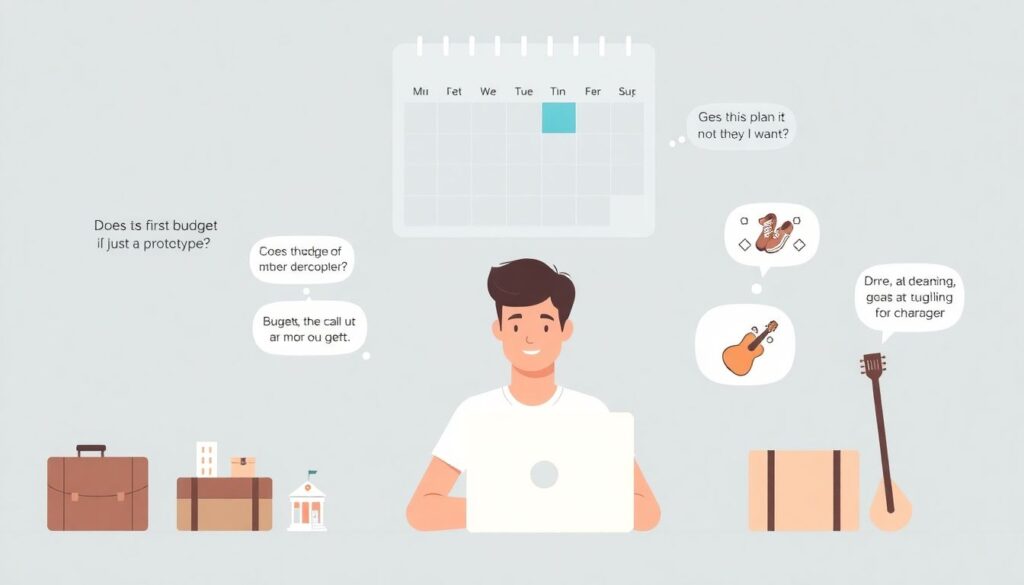
Your first budget is a prototype, not a verdict on your character. Promotions, rent hikes, new hobbies, even a move to a different city all demand tweaks. Once a quarter, step back and ask: does this plan still match what I want? If not, adjust targets, not just tactics. Some people eventually consult a planner or take a structured personal finance or budgeting course for beginners online to refine investments and long-term strategy. Whichever route you choose, the combination of clear numbers, regular review and honest priorities will keep your money aligned with the life you’re actually trying to build.