
Why “Budgeting for Beginners” Matters More Than You Think
If you’re constantly asking yourself how to stop living paycheck to paycheck, you’re not alone. Many people with decent incomes still feel broke by the end of the month, not because they’re “bad with money,” but because no one ever showed them a realistic, human way to plan their cashflow. Budgeting for beginners isn’t about turning into a boring accountant or never buying coffee again; it’s about finally feeling that your money is working for you, not against you. Once you see where every dollar is going and give it a “job,” the stress around bills, unexpected expenses, and weekends out starts to shrink. The big mindset shift is moving from, “I hope I have enough,” to “I know exactly what’s covered and what I’m choosing to spend.”
—
Different Budgeting Approaches: Which One Fits Your Life?
There’s no single perfect method; the best system is the one you’ll actually use when you’re tired, stressed, or busy. Let’s compare a few popular approaches, especially useful when thinking about budgeting for beginners and deciding where to start. The idea isn’t to pick the “ideal” model forever, but to test what fits your personality, your income pattern, and your tolerance for detail. Think of these methods as tools in a toolbox, not rules carved in stone. You can blend them, tweak them, or switch over time as your life changes, your salary grows, or your goals evolve.
1. Classic Category Budget (The “Every Dollar Has a Job” Plan)
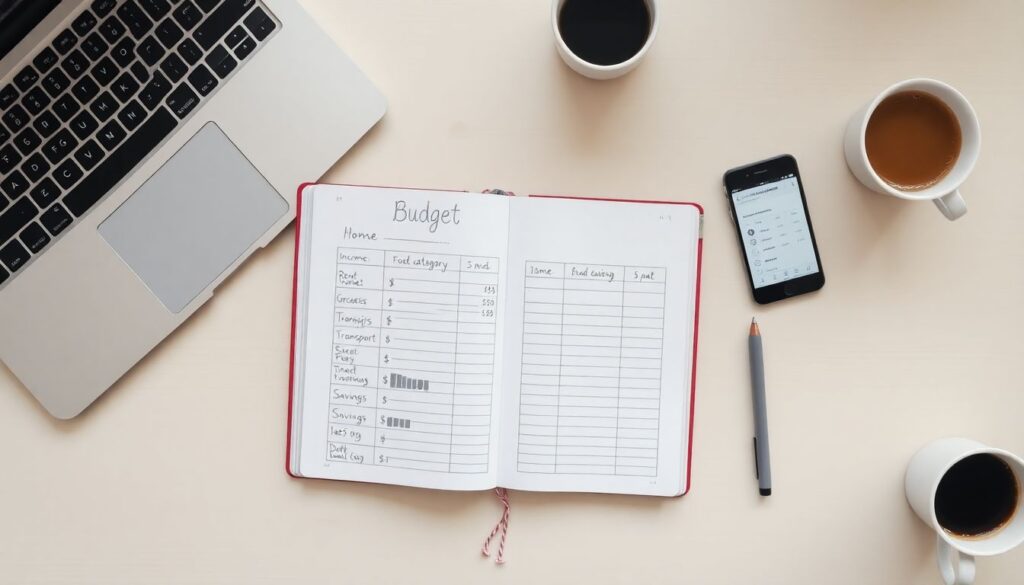
This is the traditional style: you list your income, then allocate it into categories—rent, groceries, transport, fun money, savings, debt, and so on. You can use a simple budget planner for monthly expenses in a notebook, spreadsheet, or an app. The strength of this approach is clarity: you see where your money is going in detail and can adjust quickly. If you overspent on eating out, you see it immediately and can pull from a less important category instead of just swiping and hoping for the best. For many beginners, that clear structure feels like taking a deep breath after months or years of chaos and guessing.
Pros:
– Very clear picture of where your money actually goes
– Easy to tweak amounts as your situation changes
– Works well with both fixed and variable incomes
Cons:
– Can feel time‑consuming at first
– May be too detailed for people who hate tracking “every little thing”
This method is great if you like structure, lists, and seeing everything in one place. Combine it with one of the best budgeting apps for beginners and you get reminders, charts, and alerts that help you stay on track without needing to obsess daily.
2. The 50/30/20 Rule (The “Simple Formula” Plan)
The 50/30/20 rule says: 50% of your after‑tax income goes to needs (rent, food, bills), 30% to wants (restaurants, hobbies, travel), 20% to savings and debt payoff. It’s less about micro‑tracking than about keeping your lifestyle within healthy proportions. For many people overwhelmed by numbers, this simple ratio is a huge relief. You don’t need to agonize over whether your streaming services are “needs” or “wants” every week; you just need to roughly stay inside your 50/30/20 ranges and adjust if one bucket is overflowing.
Pros:
– Easy to understand and remember
– Less tracking and “admin” than a detailed category budget
– Good first step if you’ve never budgeted before
Cons:
– Not very precise for irregular incomes or high‑cost cities
– Some people need more detail to truly change habits
If your main goal is to start moving away from the paycheck‑to‑payday cycle without feeling like you’re doing a full financial audit, this method is a friendly entry point. Later, you can refine it by adding more categories or switching to a more detailed budget once the basics feel comfortable.
3. Zero‑Based Budgeting (The “No Dollar Left Unassigned” Plan)
Zero‑based budgeting is like the category method on hard mode—but in a good way. You plan where every single unit of your income will go until there’s exactly zero left unassigned. That doesn’t mean you have zero in your account; it means every dollar is labeled for something—bills, savings, debt, fun, sinking funds, and future plans. For people truly serious about how to stop living paycheck to paycheck, this approach can be powerful because it forces you to face trade‑offs and choose intentionally, rather than let money leak into random spending.
Pros:
– Extremely intentional; nothing is left to “see what happens”
– Great for aggressive debt payoff and building savings fast
– Makes it easier to handle irregular or freelance income
Cons:
– Requires more time and attention, especially at the start
– Can feel too strict for people who like spontaneity
Zero‑based budgeting is especially useful if your paycheck disappears in the first week and you’re left wondering where it all went. It’s not about never having fun; it’s about planning fun on purpose instead of hoping there’s money left after everything else.
4. The Envelope (or “Digital Envelope”) System
The classic envelope system is super simple: you divide cash into physical envelopes labeled “Groceries,” “Gas,” “Eating Out,” “Fun,” etc. When an envelope is empty, you’re done spending in that category for the month. Today, many people use a digital version of this method inside apps or with separate accounts, but the logic is the same: visual boundaries. This approach works especially well for those who feel that card payments don’t feel “real” and money falls through their fingers.
Pros:
– Strong psychological effect—you literally see money leave the envelope
– Great for people who overspend on specific categories
– Easy to understand, even if you hate numbers
Cons:
– Cash envelopes are less convenient in a digital world
– Might not work well for online subscriptions or automatic bills
A digital envelope system can be one of the best budgeting apps for beginners choices, because it blends the old‑school “only spend what’s in the envelope” rule with modern tracking, notifications, and bank sync.
—
Mindset Shift: From Survival Mode to Intentional Choices
Before any method works, your mindset has to shift from “I’m bad with money” to “I’m learning a new skill.” No one is born knowing how to manage personal finance; it’s a set of habits, and habits are trainable. If your entire adult life has felt like financial firefighting—putting out one emergency after another—it’s no wonder you’re exhausted and feel stuck. Budgeting for beginners is less about perfection and more about small, consistent decisions that compound over time. One of the most powerful changes is starting to pay yourself first: setting aside even a small amount toward savings or debt repayment the moment you get paid, before the money dissolves into daily spending. This is how a person who’s constantly scraping by can slowly build a cushion, even on a modest income.
—
Real‑Life Inspiring Examples

To make this more than theory, look at a few realistic stories of people who escaped the paycheck‑to‑paycheck cycle using different approaches. These aren’t superheroes; they’re regular workers, parents, freelancers, students—people who simply decided that “I’m always broke” is no longer an acceptable life script. You might recognize a piece of your own situation in their journeys, and that’s the point: if someone with your level of chaos and bills can turn it around, you probably can too. The actual numbers are less important than the pattern: clarity, choice, and persistence over a year or two instead of hoping for a sudden miracle.
Story 1 – The Category Convert:
Anna, a 29‑year‑old teacher, was overdrafting her account almost every month. She started with a simple budget planner for monthly expenses in Google Sheets: income at the top, then categories for rent, groceries, transport, fun, gifts, and a tiny savings line of just $25 a month. Within three months of tracking and adjusting, she noticed she was routinely overspending on takeout. Instead of beating herself up, she set a fixed “takeout envelope,” reduced it a bit, and redirected the difference into an emergency fund. A year later, she had $1,200 saved—more than she’d ever had in her life—and overdraft fees were gone.
Story 2 – The 50/30/20 Simplifier:
Carlos, a freelancer with a fluctuating income, hated detailed tracking. He tried several apps and dropped them after a week. Eventually he set a simple rule: whenever he got paid, he split the money 50% for needs, 30% for wants, 20% for savings and taxes. When income was high, “needs” got paid far in advance, and he pushed more into savings; when it was low, he tightened wants but kept the same ratio. He didn’t track every coffee; he just checked once a week that his total spending still roughly matched the 50/30/20 split. After a year, he’d saved enough to cover two slow months without panic.
Story 3 – The Envelope Champion:
Mia and Jake, young parents, constantly argued about money. Most of their fights were about “little things” that added up—impulse buys, snacks, random Amazon orders. They went full envelope system for their problem areas: groceries, eating out, kids’ treats. Everything else stayed digital. If the “Eating Out” envelope was empty by the 20th, they cooked at home, no exceptions. This limit felt strict at first, but it transformed their relationship with money. They realized they didn’t need to ban restaurants; they just needed agreed boundaries. Within six months, they’d wiped out a lingering credit card balance that had been stressing them out for years.
—
Practical Steps to Break the Paycheck‑to‑Paycheck Cycle
Theory doesn’t pay the rent. To move from ideas to action, you need a simple starting plan that you can actually stick to, even if your schedule is crazy and your willpower fluctuates. You don’t have to overhaul everything at once; instead, think in terms of stages: awareness, planning, and automation. In the awareness phase, you simply track where your money goes for a month without judging yourself. In the planning phase, you choose a budgeting style and assign limits. In the automation phase, you set up transfers and payments that happen automatically, reducing the daily decision fatigue that often leads to overspending or missed bills.
Try this starter checklist:
– Track every expense for 30 days (using notes, an app, or bank exports).
– Choose one budgeting approach (category, 50/30/20, zero‑based, or envelopes) for the next three months.
– Set up automatic transfers: savings first, bills second, spending money last.
– Review your budget once a week for 10–15 minutes to adjust and stay realistic.
When you repeatedly follow these steps, even imperfectly, your financial life starts to stabilize. You notice trends (like that one subscription you forgot about), plug leaks, and redirect money toward things you genuinely care about: a trip, a debt‑free car, a safety cushion, or simply a calmer mind.
—
Tools and Apps: Let Tech Do Some Heavy Lifting
You don’t get extra points for doing all the math by hand. There are many tools designed specifically as best budgeting apps for beginners, with simple dashboards and friendly interfaces. Some focus on zero‑based budgeting, others on digital envelopes, and some just give you a clean overview of income and expenses. The key is to pick one that feels intuitive to you; if you hate how it looks or it feels too complicated, you won’t stick with it. Start with something basic and free if you’re unsure, and only upgrade to paid features once you see you’re actually using it regularly.
Look for apps or tools that:
– Sync with your bank accounts and categorize transactions automatically
– Let you create and modify categories easily
– Support goals, like “Save $500 emergency fund” or “Pay off credit card”
– Offer simple reports so you can see progress over time
If apps aren’t your thing, a printable or digital budget planner for monthly expenses can be just as effective. The real “magic” isn’t in the app; it’s in your willingness to look at the numbers and adjust behavior based on what you see. Tech just makes that process faster and less painful.
—
Learning the Skill: Courses, Books, and Other Resources
If you feel like you’re missing the “instruction manual” for money, you’re right—most schools don’t teach this stuff. The good news is that there are plenty of personal finance courses for beginners that walk you through everything step by step: building a basic budget, handling debt, understanding interest, and planning for the future. Some are free online, offered by universities, nonprofits, or banks. Others are low‑cost video courses with concrete exercises and templates. Courses can help if you prefer a structured path, deadlines, and maybe even a community of people going through the same process.
Apart from formal courses, you can learn a lot from:
– Beginner‑friendly personal finance books with real‑world examples
– Blogs and YouTube channels focused on budgeting for beginners and debt payoff journeys
– Podcasts where ordinary people share how they fixed their financial mess
The goal is not to consume endless content and call it “progress.” Use resources as a guide, but always come back to your own numbers and your own goals. Theory is helpful, but your financial life improves when you apply even the simplest lesson consistently for months, not when you chase a constant stream of “hacks.”
—
Common Pitfalls and How to Dodge Them
On the way out of the paycheck‑to‑paycheck trap, almost everyone hits the same obstacles: starting too strict, ignoring fun, and giving up after the first “bad” month. If your budget feels like a punishment, you’ll rebel against it sooner or later. That’s why every approach should include at least a small line item for joy: coffee with a friend, a cheap streaming service, or a weekly snack. Removing all pleasure does not make you more disciplined; it just makes budgeting feel like a diet you can’t wait to quit. A sustainable plan accepts that you’re human and builds in controlled freedom instead of pretending you’ll become a monk overnight.
Another trap is perfectionism. If you overspend in one category, it doesn’t mean budgeting “doesn’t work” for you; it means you gained new information about your real habits. Instead of quitting, adjust the numbers. Maybe groceries really do cost more in your city, or maybe your “fun” line is unrealistically low. Your first budget is just a guess, not a verdict. Treat it like a draft you refine rather than a strict contract you fail at. This mindset will help you keep going long enough to actually see results.
—
Choosing Your Approach and Taking the First Step
You’ve seen several approaches: detailed category budgets, the 50/30/20 rule, zero‑based budgeting, and envelope systems—plus the role of apps, planners, and courses. None of them is magic, but each can be a powerful tool if matched to your personality. If you crave order and detail, try a zero‑based or category budget in an app. If you’re allergic to complexity, start with 50/30/20 and evolve from there. If your main issue is overspending in a few weak spots, envelopes—physical or digital—might be your best ally. The comparison isn’t about which method looks best on paper, but which one fits into your daily life without constant resistance.
To break the payday‑to‑paycheck cycle, you don’t have to wait for a raise, a windfall, or a perfectly calm month. You can start with your very next paycheck: decide on a method, give your money jobs, and commit to reviewing your progress weekly. Over time, those small, ordinary decisions stack up into something big: fewer sleepless nights, fewer arguments about money, and more control over where your life is headed. That’s the real power of budgeting for beginners—not just surviving to the next payday, but steadily building a life that feels less like a scramble and more like a choice.