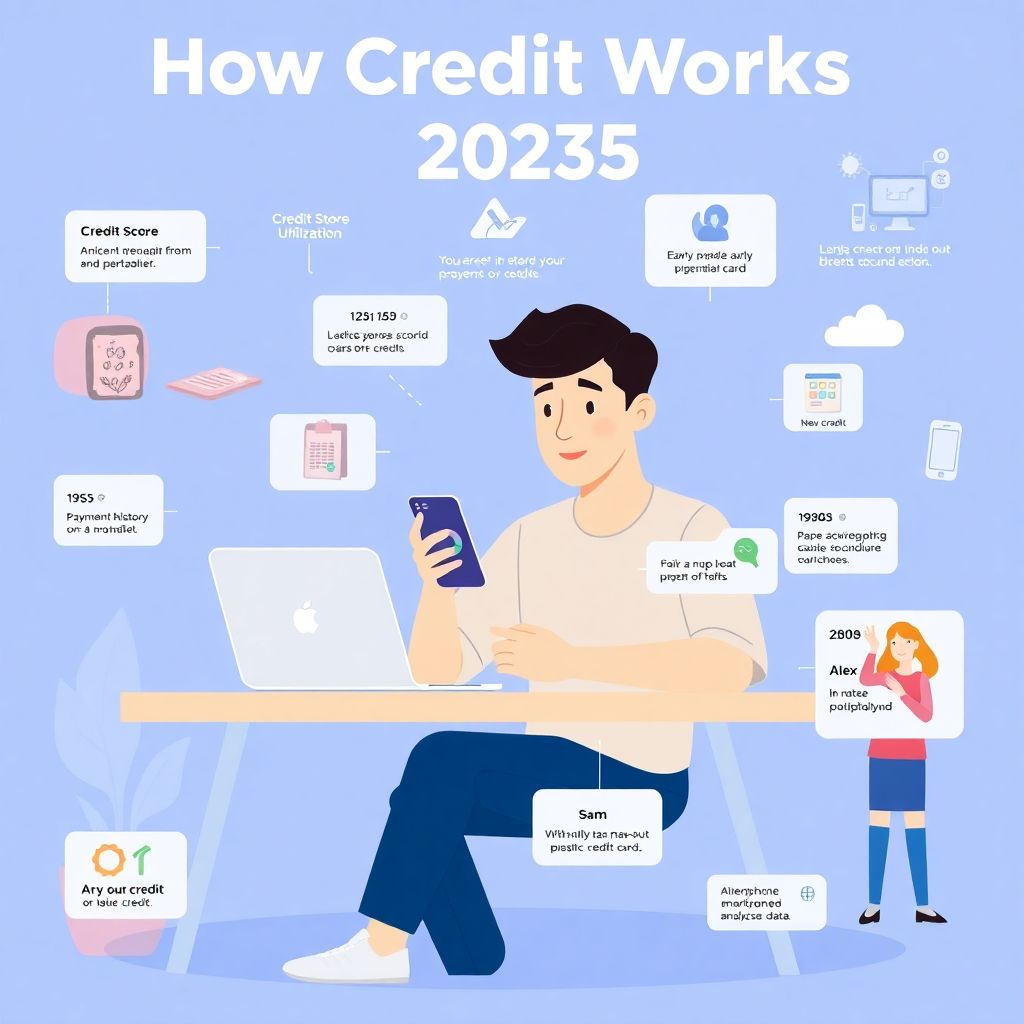
Credit can feel like a secret language that everyone else already knows. Banks, apps, and influencers keep throwing around terms like “score,” “utilization,” and “pre‑approval,” while you’re just trying to figure out how not to get ripped off. This beginner’s guide to credit is meant to be that honest friend who sits down with you, walks through the basics, adds a bit of historical context, and shows how people in 2025 actually use (and sometimes mess up) credit in real life.
How we got here: A quick historical background
The idea of credit isn’t new at all. Thousands of years ago, farmers in Mesopotamia were already writing clay tablets promising to pay back grain later in the season. Merchants extended credit to trusted customers long before banks existed, basically saying, “Take it now, pay me when your ship comes in.” What *is* new is how industrialized and digital the system has become, especially in the last 70–80 years.
In the 1950s and 1960s, general‑purpose credit cards started to appear in the United States, replacing store‑specific tabs and paper ledgers. By the 1980s, big credit bureaus were using computers to track millions of people’s borrowing histories. Credit scores turned into a standard way to judge who got loans and at what interest rate. Fast‑forward to 2025: your credit behavior is logged in databases, analyzed by algorithms, and accessed through your phone in seconds. Buy‑now‑pay‑later apps, virtual cards, and instant approvals feel super modern, but under the hood they still rely on the same old idea: someone lets you use money now based on the expectation that you’ll pay it back later—with profit.
Basic principles of credit: What it actually is
At its core, credit is a trust contract. A lender (bank, credit union, fintech app, even a store) gives you access to money or goods today on the condition that you’ll pay later, often with interest. That trust isn’t based on vibes; it’s based on your track record and current situation. Your “credit history” is just a written memory of how you’ve handled past promises. Did you pay on time? Did you max out everything? Did you disappear on your debts? All of that gets turned into a credit report and, in many countries, into a three‑digit score.
For beginners, the logic is simple but ruthless: lenders reward predictable, low‑risk behavior. The best credit cards for beginners look for people who either already show small, responsible usage or who are clearly setting themselves up to be safe bets, like students with stable income or people starting with secured products. That’s why your first credit move matters so much. Even a tiny limit card used carefully can send a powerful signal: “I borrow a little, I pay reliably, I don’t panic‑spend.” Over time, that small pattern can unlock bigger limits, lower rates, and access to better loans.
How credit scores are built: The levers that matter
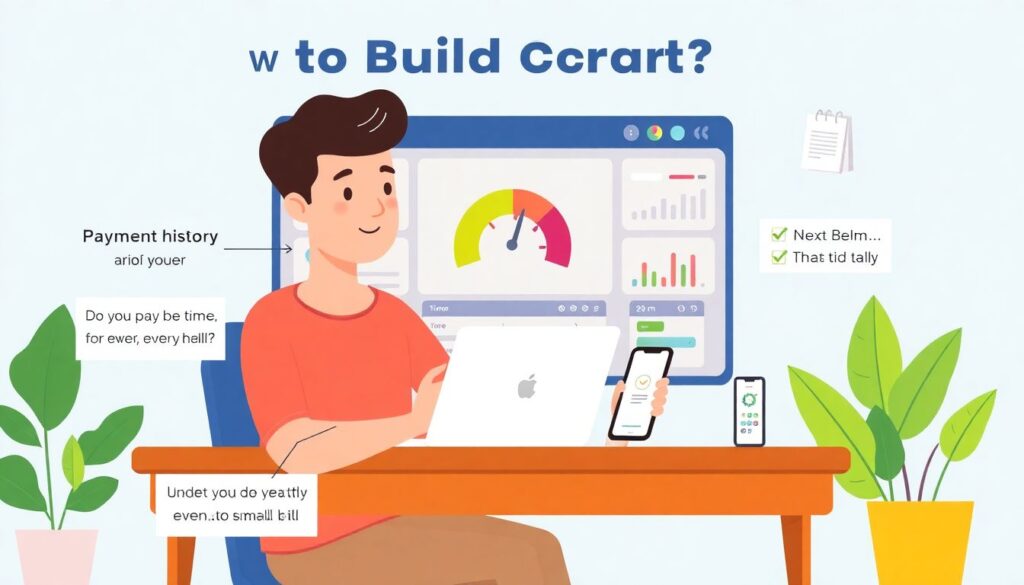
If you’ve ever wondered how to build credit from scratch, it helps to know which dials the system is watching. While the exact formulas differ between countries and scoring models, most of them focus on a few core things:
– Payment history – Do you pay on time, every time, even for small bills?
– Amounts owed / utilization – How much of your available credit are you using?
– Length of history – How long have you had accounts open and active?
– New credit – How often do you apply for new credit and trigger “hard inquiries”?
– Types of credit – Do you handle more than one kind (e.g., credit card + installment loan)?
The piece people underestimate most is consistency. Paying the minimum on time every single month, keeping your card nowhere near its limit, and not applying for five products in one week does more for your score than “hacks” or secret tricks you see in viral posts. It’s not glamorous, but the algorithms heavily favor boring, repeatable behavior over dramatic moves.
Real‑world examples: How credit plays out in everyday life

Imagine three friends in 2025: Alex, Sam, and Riley. All of them get their first job and want to start using credit. Alex grabs the first offer they see online, runs the card close to the limit buying gadgets and trips, only pays the minimum, and occasionally pays late. Sam starts with a modest limit card, uses it for groceries and subscriptions, and pays in full each month. Riley is nervous after seeing debt horror stories on TikTok and avoids credit completely, sticking only to debit and cash.
Fast‑forward three years. Alex has a shaky score, high interest charges, and trouble qualifying for an apartment in a competitive city. Sam has a solid score, qualifies for low interest credit cards for first time users, and is already getting better auto loan offers. Riley has no negative marks but also no real record; landlords and lenders are hesitant because they can’t see how Riley behaves with borrowed money. This is the quiet trap: avoiding credit entirely can leave you “invisible” to the system, which makes bigger life steps—like a mortgage—harder and more expensive.
Getting started: First steps that actually work
If you’re brand new, starting small and controlled is the smartest path. Instead of hunting for flashy rewards, focus on products that help you prove reliability. In many cases, that means beginning with a starter or secured card, using it for predictable expenses (like your phone bill), and setting up automatic payments so you can’t “forget.” This is essentially you performing in front of the scoring system: demonstrating over several months that borrowing and repaying is just part of your normal routine, not a crisis.
Here are some simple ways beginners often start building credit safely:
– Open one basic card, use it for small monthly bills, pay in full.
– Turn on autopay at least for the minimum to avoid late fees.
– Keep your spending well under the limit—think 10–30%, not 90%.
– Stick with the card for a few years instead of constantly switching.
If you already made mistakes—missed payments, high balances, or collections—don’t assume the game is over. The system cares a lot about what you’re doing *now*. Paying on time for the next 12 months and reducing your balances can shift your profile surprisingly fast, especially if your past issues were relatively small and recent.
Secured cards, bad credit, and “guaranteed approval” claims
A lot of beginners, or folks recovering from mistakes, run into ads for credit cards for bad credit guaranteed approval. The phrase sounds magical: “You’re in, no matter what.” In reality, “guaranteed” usually means “guaranteed if you meet our basic conditions,” like providing identity documents, a deposit, or proof of income. It doesn’t mean any person in any situation will be approved for any limit they want. Being skeptical of big marketing promises will save you money and stress.
If your credit is thin or damaged, a practical option can be a secured credit card to build credit fast. With a secured card, you put down a deposit—say $200—and that usually becomes your limit. From the lender’s perspective, the deposit makes you safer, so approval is easier. From your perspective, the card reports to the credit bureaus like a regular card. Use it lightly and pay it off on time, and over 6–12 months you can build a decent track record. At that point, some issuers may upgrade you to an unsecured card and return your deposit, basically “graduating” you into the mainstream system.
Choosing your first card wisely
Not all beginner cards are created equal. Some starter products pile on fees, high interest rates, or confusing rules because they assume you won’t read the small print. When you’re comparing options, look beyond the welcome bonus or colorful design. You want something predictable and affordable while you’re still learning the ropes and building your profile.
When comparing the best credit cards for beginners, pay attention to:
– Annual fees (ideally low or none at all for your first card).
– Interest rate (APR), especially if you think you might carry a balance.
– Reporting: does the issuer report to all major credit bureaus?
– Any weird fees: monthly “membership” charges, paper statement fees, etc.
If you’re generally responsible with money and just new to credit, some banks and fintechs now offer low interest credit cards for first time users, specifically designed so beginners don’t get crushed by high rates right away. They may not offer crazy rewards, but that’s fine. In your first couple of years, your main “reward” is a strong credit history that makes everything else cheaper later—car loans, apartment deposits, even phone contracts.
Common myths and misunderstandings about credit
Because credit feels complicated, a lot of myths float around, especially on social media. People pass along half‑true tips like “never pay in full or the bank won’t make money” or “closing old cards instantly boosts your score.” Believing this kind of advice can cost you real money. It’s worth looking at some of the most common misunderstandings and what’s actually going on under the surface.
Here are a few myths you’ll hear all the time:
– “You must carry a balance to build credit.”
– “Checking your own score hurts your credit.”
– “Using more of your limit shows you can handle a lot of debt.”
– “All no‑credit or bad‑credit cards are scams.”
In reality, you do *not* need to carry a balance to build credit. Paying in full is perfectly fine and often the best move. Looking up your own score through official or lender‑provided tools is usually a “soft” inquiry and doesn’t hurt you. Using most of your limit actually makes you look riskier, not more capable. And while some bad‑credit products are predatory, others—especially transparent secured cards or reputable starter cards—are legit stepping‑stones out of the “no history” trap. The key is to ignore the drama and focus on how the scoring models really work: they reward steady, low‑risk behavior over time.
Credit in 2025: Apps, BNPL, and new traps to watch for
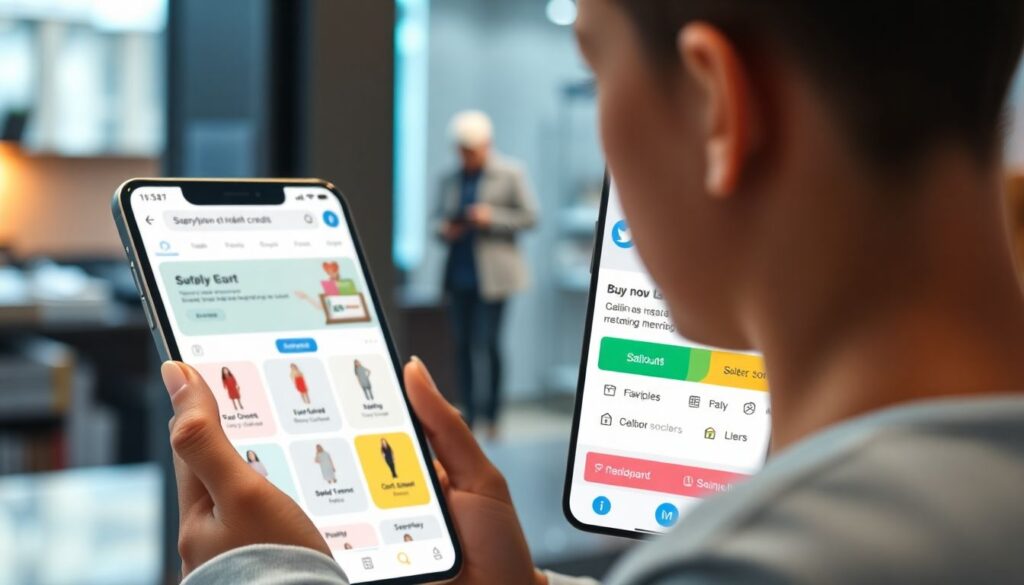
In 2025, credit is no longer just credit cards and bank loans. Buy‑now‑pay‑later services are built right into online stores and even social media; your phone might offer instant installment plans at checkout. Some of these services don’t feel like “debt” because they’re marketed as budgeting tools or lifestyle perks, but they operate on the same principle: using tomorrow’s money today. If you stack multiple BNPL payments together, they can quietly eat your paycheck before the month even starts.
Fintech apps that promise to “boost” your score or rent‑reporting services that add your monthly rent to your credit file can be helpful, but only if they’re trustworthy and transparent about fees. Before connecting any app to your bank or credit accounts, check independent reviews, terms of service, and how they handle your data. The fundamentals haven’t changed: pay what you owe, on time, keep your borrowing reasonable, and avoid signing up for products you don’t fully understand just because an influencer said they’re “life‑changing.”
Practical game plan: Building healthy credit from day one
If you want a straightforward plan, think of credit as a long‑term relationship rather than a quick hack. First, pick one beginner‑friendly product—maybe a simple unsecured starter card or, if needed, a secured option—and commit to using it thoughtfully for at least a year. Second, tie it to expenses you already have: groceries, streaming, your phone bill. Third, set up automatic payments so you at least cover the minimum, and then manually pay it in full when you can. That way, forgetfulness never turns into a late mark.
Over time, your goals will shift from “Can I get approved?” to “Can I get better terms?” That’s when you might start comparing rewards programs, higher‑tier cards, or lower‑rate loans. But even as you upgrade, keep your original script: don’t spend more just because the limit went up, don’t chase every new offer, and don’t ignore the statements just because everything looks fine. If you treat credit as a tool—useful, powerful, but capable of hurting you if misused—you’ll be in a strong position. Building credit isn’t about being perfect; it’s about being consistently reasonable in a system that rewards exactly that.