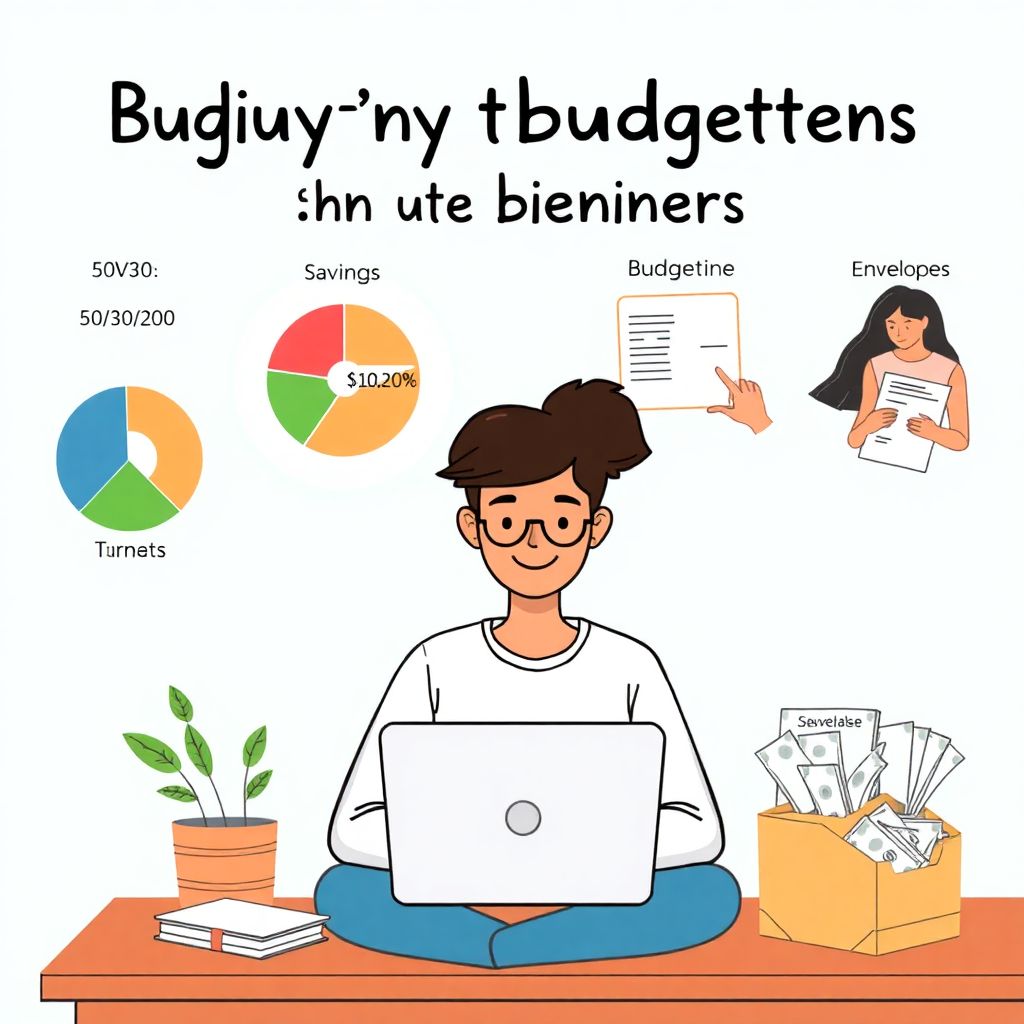
New to Budgeting? Start Here with a Simple Guide
Why Budgeting Matters More Than You Think

Budgeting isn’t just about restricting your spending or counting pennies—it’s a strategic approach to managing your resources and achieving long-term goals. Whether you’re saving for a trip, paying off debt, or building an emergency fund, a budget serves as a roadmap. Yet, with so many budgeting methods available, it’s easy to feel overwhelmed at the start. Let’s demystify the process and explore different effective approaches, real-world success stories, and practical tips for getting on track.
Three Proven Budgeting Methods Compared
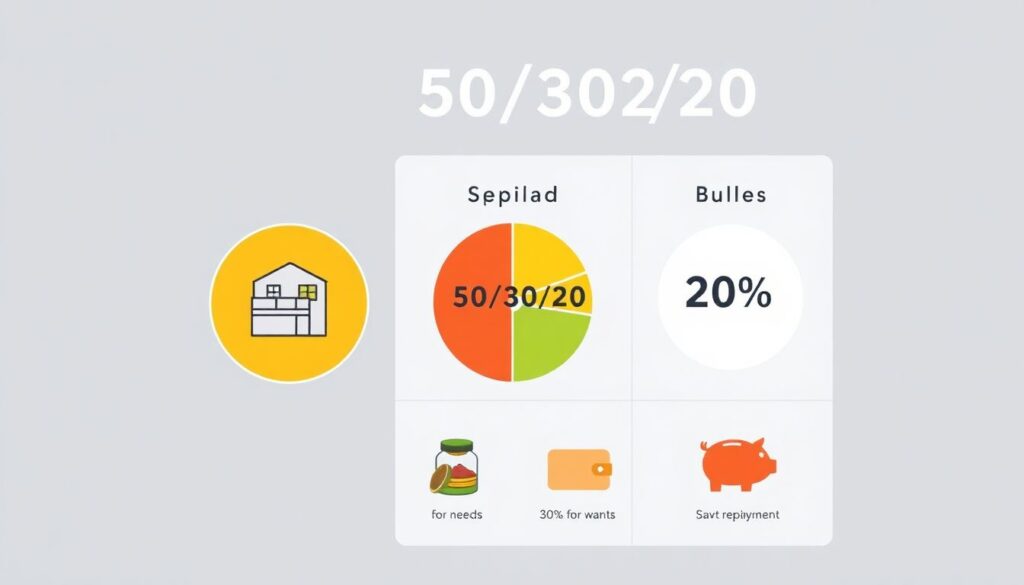
Not all budgeting strategies fit every lifestyle. Here are three of the most popular systems and how they compare:
- 50/30/20 Rule: Popularized by Senator Elizabeth Warren, this method allocates 50% of your income to needs, 30% to wants, and 20% to savings and debt repayment. Ideal for beginners, it offers a balanced, straightforward structure.
- Zero-Based Budgeting: Every dollar is assigned a purpose, so your income minus your expenses equals zero by the end of the month. This method is excellent for people with variable incomes or those looking to maximize control.
- Envelope System: Best for cash spenders, this technique involves dividing money into physical or digital envelopes for each spending category. Once an envelope is empty, spending in that category stops for the month.
Each method has its strengths: the 50/30/20 rule is simple and broad; zero-based budgeting is detailed and disciplined; and the envelope system is tactile and visual. Choosing the right one depends on your personality, income stability, and financial goals.
From Chaos to Clarity: Real-Life Budgeting Transformations
Consider Maria, a freelance designer who struggled with unpredictable income and overspending. After switching to a zero-based budget, she began assigning every dollar with intention. Within six months, she paid off $4,000 in debt and built a three-month emergency fund.
Or take Jordan, a full-time student juggling part-time work. Using the 50/30/20 method, he carved out room for savings and reduced stress around bills. Today, he’s no longer living paycheck-to-paycheck and manages expenses confidently.
These cases highlight a universal truth: budgeting isn’t about perfection—it’s about progress and awareness.
Developing Strong Budgeting Habits
Building a reliable budgeting system takes more than downloading an app or creating a spreadsheet. It involves consistent reflection, adaptation, and a willingness to learn. Here are expert-backed strategies to help you stay motivated:
- Track all expenses for a month to understand your spending habits.
- Review your budget every week—not just monthly—to stay agile.
- Set SMART goals (Specific, Measurable, Achievable, Relevant, Time-bound).
- Use automation for savings and bill payments to reduce friction.
- Celebrate small wins to maintain momentum and motivation.
Consistency trumps intensity when it comes to personal finance. Small adjustments compound into big results over time.
Resources to Strengthen Your Financial Literacy
Looking to go deeper? The right tools and mentorship can elevate your skills:
– Books: “Your Money or Your Life” by Vicki Robin and “The Total Money Makeover” by Dave Ramsey offer time-tested frameworks.
– Apps: YNAB (You Need A Budget), Mint, and EveryDollar provide intuitive platforms tailored to different budgeting styles.
– Courses: Websites like Coursera, Udemy, and Khan Academy feature beginner-friendly finance courses.
– Communities: Reddit’s r/personalfinance or Facebook budgeting groups provide support and shared experiences.
Final Thoughts: Your Budget, Your Future
Starting a budget can feel like learning a new language. But once you find a system that fits your life rhythm, it begins to feel empowering rather than confining. Experiment with approaches, adapt as you learn, and take pride in each step forward. After all, budgeting isn’t about deprivation—it’s about designing a life aligned with your values.
So, what are you waiting for? Your financial clarity begins now.