
Why Budgeting Matters More Than You Think
Most beginners assume budgeting is just about tracking expenses. In reality, it’s a foundational tool for financial freedom. Whether you’re trying to pay off student loans, save for a house, or just avoid overdraft fees, a personal budget helps you take control instead of reacting to every unexpected bill.
Take Sarah, for example, a 27-year-old graphic designer in Austin. When she started tracking her monthly spending, she discovered she was spending nearly $300 a month on takeout—without realizing it. That one insight helped her redirect those funds toward paying off $5,000 in credit card debt within a year. Budgeting didn’t restrict her; it gave her options.
Start With Knowing What You Earn and Spend
Step 1: Calculate Your Net Income
Your budget starts with your *actual* take-home pay—not your salary offer. That means subtracting taxes, health insurance premiums, and retirement contributions. If you’re earning $55,000 a year, your monthly income isn’t $4,583. After deductions, it’s closer to $3,200.
Many new budgeters overestimate their income, which leads to overspending. Pay attention to side hustles too—if you’re earning $200 a month tutoring online, include that. But only count income that is consistent and reliable.
Step 2: Track Expenses — Every Dollar
This is where most people lose steam. But tracking expenses doesn’t mean hoarding receipts in a shoebox. Use budgeting apps like YNAB (You Need A Budget), Mint, or even a simple spreadsheet.
Break your expenses into fixed (rent, utilities, subscriptions) and variable (food, transportation, entertainment). A common beginner mistake is underestimating small purchases. That $5 latte on weekday mornings adds up to over $100 a month.
Technical Tip: An easy starter method is the 50/30/20 rule:
– 50% for needs (housing, food, bills),
– 30% for wants (dining out, Netflix),
– 20% for savings and debt repayment.
Set Goals That Reflect Your Life, Not Just Numbers
Define Short-Term, Medium-Term, and Long-Term Goals
Budgeting becomes easier when you’re working toward something meaningful. Short-term goals might include building a $1,000 emergency fund. Medium-term could be saving $10,000 for a car in two years. Long-term? Retirement or a house down payment.
Case in point: James, a school teacher in Denver, used a simple savings goal to move from living paycheck to paycheck to having a three-month emergency fund. His method? Automating $200 monthly into a high-yield savings account. After 18 months, he had $3,600 in savings—money that later helped cover unexpected medical bills.
Adapt and Adjust Your Budget Monthly
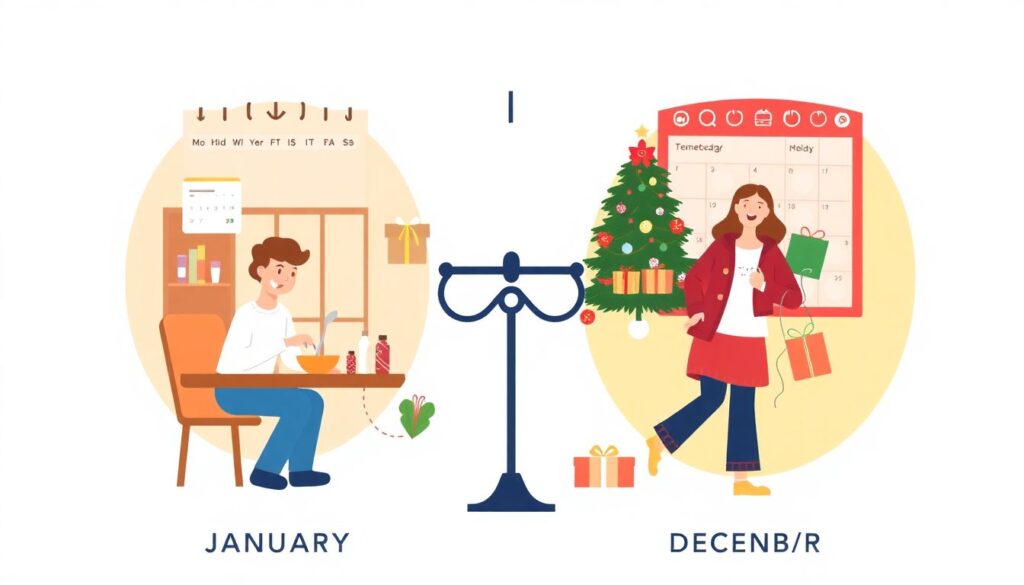
Life isn’t static. Your budget shouldn’t be either. In January, you might cut back on eating out. In December, you might increase your gift spending. Review your budget at least once a month to stay aligned with your priorities.
Technical Detail: Use the “zero-based budgeting” method if you want more control. Every dollar has a job. If you earn $3,200/month, you assign all $3,200 to categories—whether it’s bills, savings, or fun. Nothing is left “unplanned.”
Common Pitfalls to Avoid
1. Ignoring Irregular Expenses
Car registration, annual subscriptions, or holiday gifts can derail your budget if unplanned. Solution? Create a “sinking fund” category. For instance, if you spend $600 on gifts annually, set aside $50 per month starting January.
2. Not Accounting for Lifestyle Creep
When your income rises, your spending often follows. That’s lifestyle creep. You get a $500/month raise but start eating out more or upgrading tech gadgets. Instead, allocate part of every increase to savings or debt repayment.
3. Being Too Rigid
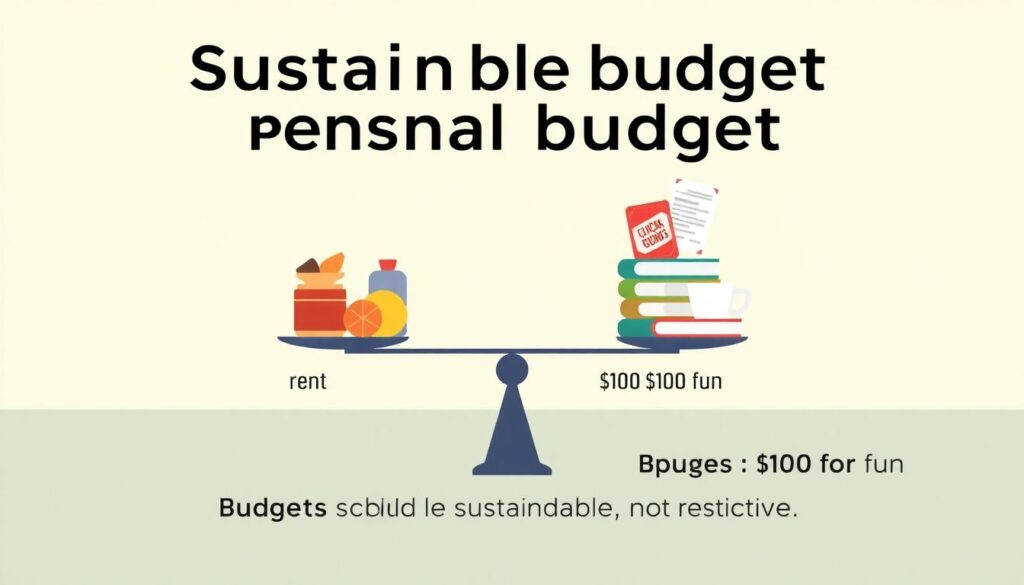
Budgets aren’t financial diets—they should be sustainable. If you cut all fun, you’ll likely give up. Build in some breathing room. Allocate $50–$100 per month for guilt-free spending—whether it’s concert tickets or new books.
Real Stories, Real Shifts
Consider Maria and Leo, a newlywed couple in Chicago. When they combined finances, they realized they were spending over $1,000 a month on duplicated costs—two gym memberships, two streaming services, and frequent Uber rides. By consolidating and optimizing, they redirected $600/month toward a vacation fund. A year later, they had $7,200—enough for a dream trip to Japan.
Final Thoughts: Budgeting Is a Skill, Not a Sacrifice
Understanding your budget isn’t about restriction—it’s about designing a financial life that fits your goals. It gives you clarity, reduces stress, and opens up choices. Think of it as your personal roadmap, not a prison.
Start simple, stay consistent, and adjust often. Over time, you’ll notice something powerful: you’re no longer wondering where your money went—you’re telling it where to go.
Комментарии