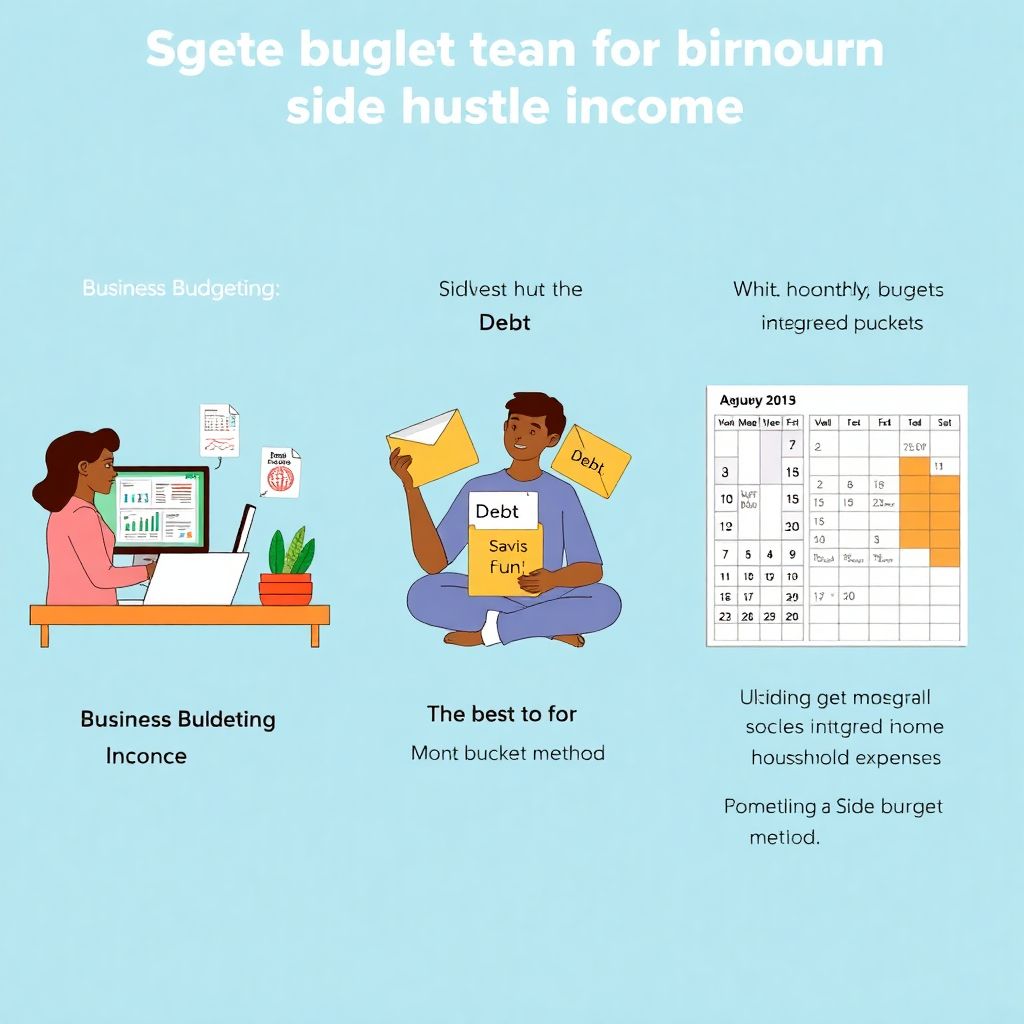
Budgeting for a Side Hustle: Handling Extra Income
In today’s gig economy, more people than ever are earning extra income through side hustles — from freelance design and food delivery to tutoring and e-commerce. While this additional stream of cash can feel like “bonus money,” without a clear budgeting strategy, it can drift into financial limbo. Worse, it might even disrupt your long-term financial goals.
Let’s break down how to effectively budget for your side hustle income, compare different approaches, and look at real-world examples of what works (and what doesn’t).
—
Why Budgeting Side Hustle Income Is Different

Unlike a regular paycheck, side hustle income is variable and often unpredictable. You might bring in $500 one month and $2,000 the next. That inconsistency makes traditional budgeting methods less effective unless adapted.
Moreover, taxes aren’t automatically withheld, and expenses — like gas, software subscriptions, or supplies — often come out of your own pocket. This turns your side hustle into a mini-business that needs its own accounting logic.
—
Approach 1: Treat It Like a Business
One of the most effective ways to manage side hustle income is to treat it like a business from day one. This involves separating finances, tracking income and expenses, saving for taxes, and reinvesting strategically.
Real-World Example:
Daria, a UX designer in Austin, started freelancing on weekends and made about $1,200/month. She opened a separate checking account, tracked her invoices using QuickBooks, and set aside 25% of each payment for taxes. By doing this, she avoided tax season surprises and was able to reinvest in a better laptop without touching her main salary.
Technical Block: Business-Like Budgeting Tips
– Create a separate bank account for side hustle income.
– Use apps like QuickBooks Self-Employed or Wave for expense tracking.
– Allocate:
– 25–30% for taxes (depending on your tax bracket)
– 10–20% for business reinvestment
– The rest for personal use or savings
Pros:
– Professional organization
– Easier tax filing
– Clear view of profitability
Cons:
– Requires discipline and time
– May incur extra costs (bookkeeping software, legal setup)
—
Approach 2: The “Bonus Bucket” Method
This method treats side hustle income as bonus money that supplements your existing budget. Instead of integrating it into your core monthly expenses, you assign it to goals like debt payoff, emergency savings, or splurges.
Real-World Example:
Marcus, a high school teacher in Chicago, earns $600/month tutoring online. He splits this income 50/30/20: 50% goes toward student loan payments, 30% into a vacation fund, and 20% is for guilt-free spending. He doesn’t rely on this income for bills, so there’s no stress if a client cancels.
Technical Block: Goal-Based Allocation
– Decide on a percentage split based on priorities:
– 50% debt repayment
– 30% towards savings (emergency fund, travel, etc.)
– 20% discretionary spending
– Use automation (e.g., bank rules or budgeting apps like YNAB or Mint) to route funds accordingly
Pros:
– Motivating and flexible
– Reduces budget pressure
– Encourages goal-based saving
Cons:
– Doesn’t account for taxes unless manually deducted
– Can feel disorganized without consistent tracking
—
Approach 3: Integrated Cash Flow Model
This model blends your side hustle income directly into your monthly household budget. It’s particularly useful if your hustle becomes a stable, long-term income stream.
Real-World Example:
Sasha, a single parent and Etsy seller, nets around $1,500 each month. She treats this income just like her day job salary. It covers groceries, rent, and her child’s daycare. She updates her zero-based budget monthly to reflect income fluctuations.
Technical Block: Integrated Budgeting
– Include side hustle income in your total income projection
– Adjust monthly budget categories based on actual earnings
– Use percentage-based budgeting (e.g., 50/30/20 rule) to maintain balance
Pros:
– Smooths out cash flow
– Supports long-term integration of hustle income
– Encourages financial stability
Cons:
– Risky if income fluctuates heavily
– May cause overspending if hustle income dips
—
Taxes: The Hidden Budget Killer
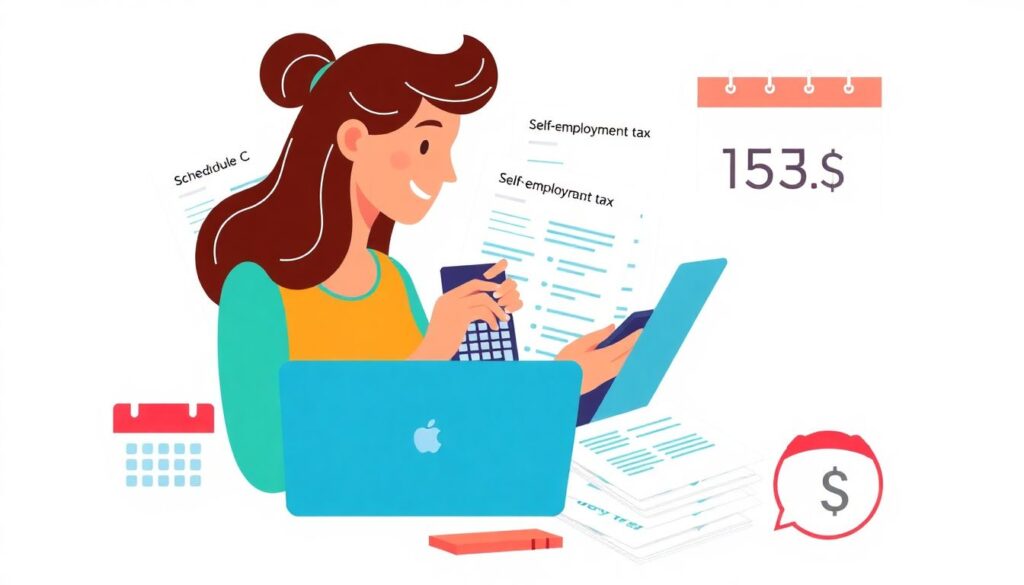
No matter your budgeting approach, taxes are non-negotiable. Side hustle income is typically classified as self-employment income in the U.S. and is subject to both income tax and self-employment tax (15.3%).
Key Facts:
– If you earn $400+ in net self-employment income, you must file Schedule C with your tax return
– Quarterly estimated taxes may be required if you expect to owe over $1,000
– Legitimate expenses (mileage, software, supplies) can be deducted
Quick Tip:
Open a high-yield savings account and automatically transfer 25–30% of each payment into it. Come tax season, you’ll be ready.
—
So Which Budgeting Strategy Is Best?

That depends on your goals, income consistency, and how you view your side hustle.
– Business-focused? Go with the business model approach.
– Just want to pay off debt or save faster? The bonus bucket is your friend.
– Relying on your hustle for bills? Integrate it into your fluid monthly budget.
Whichever you choose, consistency is key. Even a simple spreadsheet and a savings habit can go a long way.
—
Final Thoughts
A side hustle can transform your financial picture — if you handle the income wisely. Whether it’s an extra $200/month or a full-blown second salary, budgeting that money with intention ensures it works for you, not against you.
Start small. Track every dollar. And remember: this isn’t just extra cash — it’s opportunity.