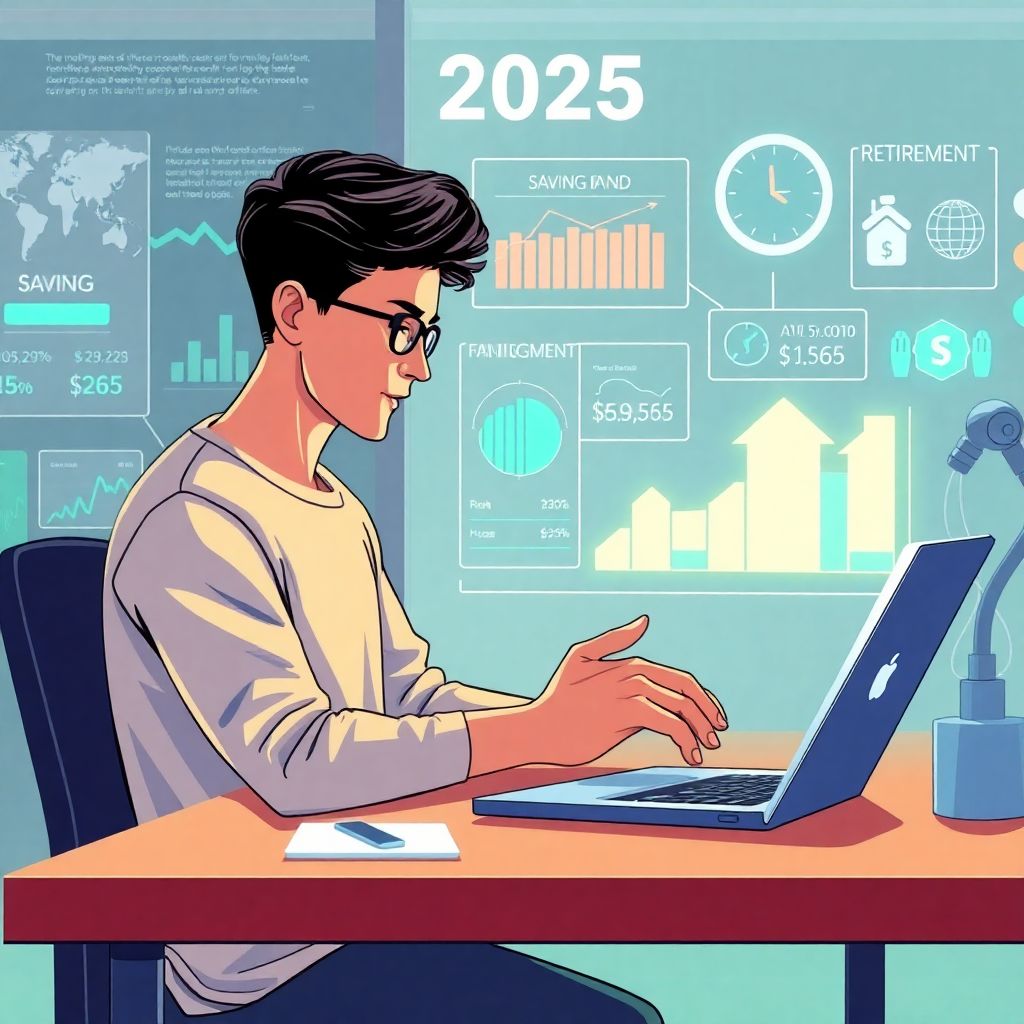
Understanding the Urgency: Why Long-Term Savings Habits Matter in 2025
In 2025, the global financial landscape is more volatile than ever, influenced by persistent inflationary pressures, geopolitical instability, and shifts in employment patterns driven by automation and remote work. According to the OECD, over 56% of adults in developed economies lack sufficient emergency savings to cover three months of expenses. This statistic underlines the urgency for individuals, especially beginners, to develop sustainable savings habits that can buffer against economic shocks and provide financial autonomy across life stages.
Economic Drivers Shaping Savings Behavior
Rising living costs and tightening monetary policies are compelling consumers to re-evaluate their spending and savings strategies. Central banks worldwide are gradually increasing interest rates to combat inflation, directly impacting loans, mortgages, and the cost of credit. For savers, however, this environment presents an opportunity: higher savings account yields can incentivize regular contributions. Additionally, the proliferation of low-cost digital financial tools significantly lowers the entry barrier for beginners seeking to build long-term savings habits systematically.
Key Steps to Establishing Consistent Saving Practices
Developing a habit of saving is not primarily about income level but about behavior and structure. For beginners, the following steps are fundamental:
1. Set Specific Goals – Define short-, medium-, and long-term financial objectives (e.g., emergency fund, home down payment, retirement).
2. Automate Contributions – Use automatic transfers from checking to savings accounts to build consistency.
3. Track and Optimize Expenses – Use budgeting apps to identify areas for cost reduction and redirect those savings.
4. Start Small, Increase Gradually – Begin with manageable amounts, raising them as income grows or debts decline.
5. Use Incentives and Visual Tools – Gamified savings platforms and goal trackers can boost motivation and long-term engagement.
These steps emphasize discipline, clarity, and adaptability—key elements for forming habits that endure economic fluctuations.
Forecast: How Will Savings Behavior Evolve?

By 2030, it is expected that AI-driven financial advisors will become mainstream, offering hyper-personalized savings strategies based on real-time behavioral data. According to a report by McKinsey & Company, the global market for personal finance software is projected to grow at a CAGR of 12%, reaching over $1.7 billion by the end of the decade. This evolution will likely normalize proactive saving behavior, especially among digital-native generations. Additionally, national governments may increasingly incentivize saving through tax-advantaged programs and micro-investment platforms tailored to first-time savers.
Impact on the Financial Industry
As individual savings rates rise, especially among younger demographics, traditional banking institutions face heightened competition from fintech companies offering flexible, user-centric solutions. The surge in demand for high-yield savings accounts and automated investing tools is pushing legacy banks to revise their service models and fee structures. Meanwhile, insurers and asset managers benefit from increased capital inflows into long-term products like annuities and retirement funds. In aggregate, the cultivation of widespread savings behavior is transforming the personal finance industry into a more inclusive, tech-enabled ecosystem.
Conclusion: The Strategic Role of Early Habit Formation
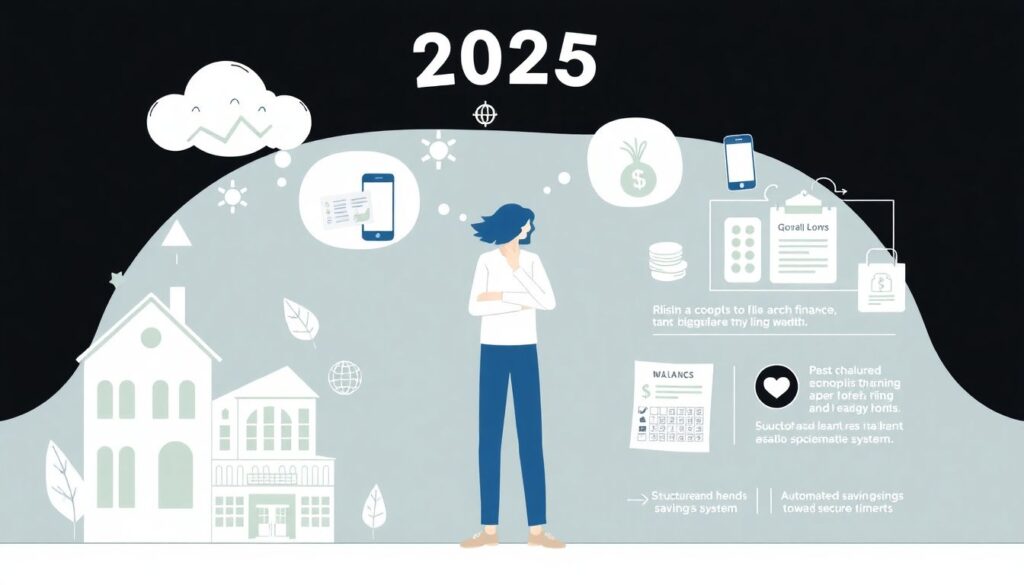
For beginners, 2025 presents both challenges and opportunities in cultivating long-term savings habits. Economic pressures are forcing a reevaluation of financial priorities, while digital tools are empowering individuals to take control of their future. By establishing structured, automated, and goal-oriented savings routines early, individuals not only enhance their personal financial resilience but also contribute to a more stable and dynamic economic environment. The trajectory of savings behavior over the next five years will be shaped by innovation, education, and policy—making now the critical moment to build habits that last.