
Understanding Personal Finance: Why It Matters
Before diving into strategies or picking a budgeting tool, it’s crucial to grasp what personal finance really means. At its core, personal finance refers to the way you manage your money — including income, expenses, savings, investments, and planning for the future. It isn’t about being rich; it’s about being intentional. Whether you’re living paycheck to paycheck or have a steady income, the foundations of good money management stay the same. Building a solid financial base lets you make better decisions, reduce stress, and reach your goals — whether that’s a house, a vacation, freedom from debt, or early retirement.
Step 1: Track Your Spending — Know Where Your Money Goes

One of the first mistakes beginners make is underestimating how much they actually spend. It’s easy to forget about that quick coffee stop or the streaming subscription that auto-renews monthly. Before setting any financial goals, track every dollar for about 30 days. You can use an app, a spreadsheet, or simply write it down. The point isn’t to judge yourself but to see patterns. You might be surprised that your daily lunch habit costs more monthly than your phone bill. Recognizing these habits is the first step toward changing them.
Common Pitfall: People often try to fix their finances by jumping straight into saving or investing without knowing their cash flow. That’s like trying to improve your diet without knowing what you’re eating.
Step 2: Set Clear, Realistic Financial Goals
Finances without goals are like a road trip without a destination — you’ll wander, spend more gas, and possibly end up nowhere. Start with short-term goals like building an emergency fund or paying off one credit card. Then, set medium-term goals (a vacation fund or a down payment), and long-term goals (like retirement or a child’s education). Use the SMART method: make goals Specific, Measurable, Achievable, Relevant, and Time-bound. For example, “I want to save $500 for emergencies in 3 months” is clear and trackable.
Pro Tip: Write down your goals and keep them visible — on your fridge, desk, or phone. Seeing the “why” behind your financial decisions keeps you motivated.
Step 3: Build a Budgeting System That Works for You
Budgeting is not one-size-fits-all. Some people thrive on detailed spreadsheets, while others need more flexible, visual approaches. Let’s compare a few popular methods:
The 50/30/20 Rule
This method divides your income into 50% for needs (rent, bills), 30% for wants (entertainment, hobbies), and 20% for savings or debt repayment. It’s great for beginners because of its simplicity. However, it assumes that your needs don’t exceed 50% of your salary, which isn’t always realistic in high-cost areas.
Zero-Based Budgeting
Here, every single dollar is assigned a job. If you earn $3,000, you allocate all $3,000 toward specific goals, whether bills, savings, or fun. It offers control and visibility, but it requires regular attention. This method suits detail-oriented people or those who have irregular income.
The Pay-Yourself-First Method
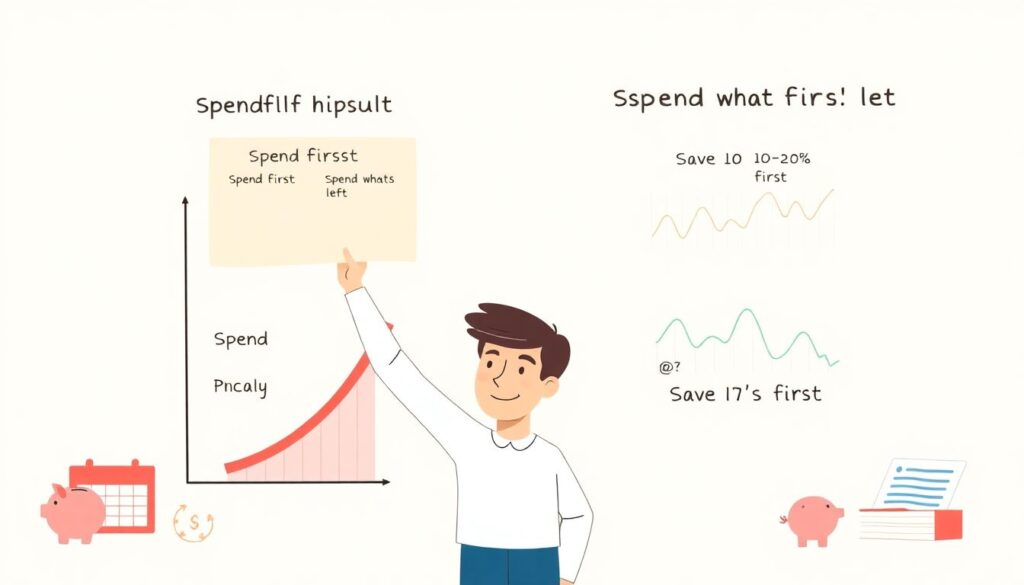
This flips the traditional approach. Instead of spending and saving what’s left, you save first — typically 10-20% of your income — and spend the rest. It’s a great way to prioritize long-term goals without overthinking every expense. The challenge? You need discipline not to dip into savings for short-term wants.
Mistake to Avoid: Don’t give up after one month if a system doesn’t fit. Adjust, experiment, and even combine methods until something clicks.
Step 4: Build an Emergency Fund

Life is unpredictable. Your car breaks down, your washer dies, or you suddenly lose your job. That’s where your emergency fund comes in — a buffer preventing you from spiraling into debt. Start small. Aim for $500-$1,000 initially. Once you’re stable, work your way up to 3–6 months’ worth of living expenses. Keep this money in a separate savings account you can access if needed — but not so easily that you’re tempted to dip into it for new shoes.
Beginner Tip: Set up automatic transfers right after payday. If you never “see” the money, you won’t miss it.
Step 5: Understand Debt — And Prioritize Paying It Off
Debt isn’t always bad. A mortgage or student loan can be an investment in your future. But high-interest debt — especially from credit cards — can sabotage your finances. Two common repayment strategies:
The Avalanche Method
You pay off debts with the highest interest rate first while making minimum payments on the others. This saves the most money in the long run since you’re minimizing interest.
The Snowball Method
You tackle the smallest debt first to build momentum and feel success early. While you might pay a bit more in interest, the emotional win can keep you motivated.
Key Warning: Don’t just pay the minimum amount unless you’re financially stuck. Interest compounds fast, and what starts as a $500 purchase can balloon over time.
Step 6: Start Saving and Investing — Even If It’s Small
Once you’ve got a handle on debt and expenses, it’s time to grow your money. Start with basic savings for your goals — vacation, car, or big life events. Then look into investing for long-term growth. This is where time is your best friend: thanks to compound interest, the earlier you start, the less you’ll need to invest overall to hit your retirement goals.
Compare Approaches
Newbies often have two mindsets: fear or overconfidence. Some stash all money in savings, earning little interest. Others rush into day trading or crypto without understanding the risks. A balanced approach is better. Consider index funds or robo-advisors if you’re just starting. They’re less risky and more diversified.
Beginner’s Mistake: Waiting until you “have more money” to invest. Even $50 a month can grow significantly over time.
Step 7: Protect What You’ve Built
As your financial foundation grows, protecting it becomes essential. That means having the right insurance — health, auto, renter’s or homeowner’s, and life if you have dependents. Also, consider creating a will, especially if you have kids. No one loves paperwork, but ignoring this step could undo years of financial progress due to one unexpected tragedy.
Overlooked Detail: Many people only get the minimum insurance required — often not enough to cover real-life emergencies.
Final Thoughts: Start Simple, Stay Consistent
The journey to financial stability isn’t about overnight success. It’s a series of small, consistent steps in the right direction. You don’t need to follow every rule perfectly — just pay attention, adjust when life changes, and prioritize long-term thinking over instant gratification. Remember, even the most successful investors and financially secure people started exactly where you are now: unclear, overwhelmed, and ready for change. Stick with it — your future self will thank you.
Комментарии