
Smart Saving for Beginners: Finding Extra Room in Your Budget
Why Most Budgets Fail — And How to Fix Yours
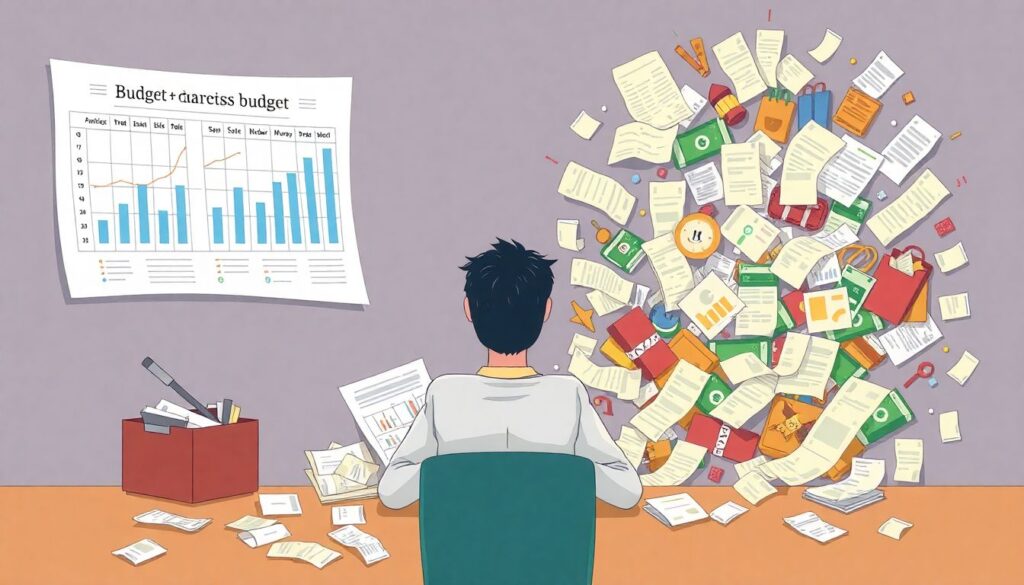
Let’s face it: most people don’t stick to their budgets not because they’re reckless, but because their budgets are unrealistic. They’re built on best-case scenarios and neglect the messy reality of everyday spending. The key isn’t to cut everything out, but to find the hidden corners where money quietly disappears. That’s where smart saving starts — not with sacrifice, but with awareness.
Start With a Spending Audit — But Go Deeper
You’ve probably heard of tracking your expenses. But here’s the twist: don’t just list your transactions. Categorize them into “essential,” “emotional,” and “accidental” spending.
– Essential: rent, groceries, utilities
– Emotional: late-night takeout, impulse buys
– Accidental: forgotten subscriptions, overdraft fees
This psychological filter helps you spot behavior-driven leaks. Once you identify emotional or accidental spending, you can address the root cause — not just the symptom.
Unsubscribe From the Noise
One of the most overlooked strategies is decluttering your digital life. Every promotional email, every push notification — they’re tiny nudges to spend. Here’s what to do:
– Unsubscribe from retail newsletters and flash sale alerts
– Turn off app notifications from delivery services and shopping platforms
– Use browser extensions to block shopping sites during specific hours
This isn’t about self-denial. It’s about removing friction so your brain doesn’t have to fight temptation every five minutes.
Rethink “Fixed” Expenses — They’re Not Set in Stone
Many people treat certain bills as non-negotiable. But that’s often a myth. You can renegotiate or restructure more than you think:
– Internet and phone: Call your provider and ask for a loyalty discount or switch plans
– Insurance: Shop around every 6–12 months — loyalty rarely pays off
– Rent: If you’re in a high-demand area, consider negotiating for a longer lease in exchange for a lower monthly rate
These changes don’t require lifestyle shifts — just a few strategic phone calls.
Use “Reverse Budgeting” to Automate Smart Saving
Traditional budgeting starts with income, subtracts expenses, and hopes there’s something left to save. Reverse budgeting flips the script. You decide how much you want to save first, then live on what’s left. Here’s how to implement it:
– Set up an automatic transfer to a high-yield savings account the day you get paid
– Treat that transfer like a bill — non-negotiable
– Adjust your discretionary spending only after savings are locked in
This approach forces clarity. You’re not saving what’s “left over” — you’re intentionally building a buffer.
Monetize What You Already Own
You don’t have to get a second job to make extra money. You might already be sitting on untapped assets:
– Rent out your parking spot if you live in a city
– List tools, equipment, or even furniture on peer-to-peer rental platforms
– Sell unused gift cards or electronics gathering dust
This isn’t side-hustling. It’s monetizing idle value — low effort, high return.
The “One-In, One-Out” Rule for Spending
Before buying anything non-essential, ask yourself: what will I get rid of to make room for this? It forces a moment of reflection — and often, you’ll realize the new purchase isn’t worth it. This rule also helps prevent clutter, which can lead to more mindful living (and less impulse buying).
Gamify Your Savings Goals
Saving doesn’t have to be boring. Turn it into a challenge:
– Create a monthly “no-spend weekend”
– Compete with a friend to see who can save more on groceries
– Use apps that round up purchases and invest the spare change
Gamification taps into your competitive side and makes progress tangible — which boosts motivation.
Final Thoughts: Smart Saving Is a Skill, Not a Sacrifice
Finding extra room in your budget isn’t about cutting out joy or living on rice and beans. It’s about being intentional. It’s about noticing patterns, questioning assumptions, and making small changes that add up. Smart saving is a skill — and like any skill, it improves with practice. Start small, stay curious, and remember: the goal isn’t perfection. It’s progress.