
Essential Tools for Smart Investing
Understanding the Basics
Before diving into the world of investment, it’s crucial to equip yourself with a base level of financial literacy. Investors should understand key concepts such as risk tolerance, asset classes (stocks, bonds, real estate, etc.), and market trends. Additionally, awareness of terms like “diversification” and “compounding” will prevent costly mistakes and build a foundation for long-term growth.
Tools You Will Need
To start investing effectively, several tools are indispensable. A brokerage account is the starting point; this could be with a traditional firm or a digital platform like Fidelity, TD Ameritrade, or Robinhood. Use financial news apps like Bloomberg, CNBC, or Seeking Alpha to stay updated on market shifts. For portfolio tracking, tools like Personal Capital or Morningstar allow for real-time performance reviews. Lastly, financial planning software such as YNAB (You Need A Budget) or Quicken will help you manage your broader financial picture while investing.
Step-by-Step Investment Process
1. Define Financial Goals
Start by identifying what you are investing for—this could be retirement, education, purchasing a home, or building generational wealth. Consider your time horizon for each goal; a 30-year retirement plan differs greatly from saving for a car in two years. This clarification influences your asset allocation and risk levels.
2. Assess Risk Tolerance

Every investor has a unique appetite for risk. You can determine yours using questionnaires provided by platforms like Vanguard or Charles Schwab. Younger investors often accept higher risk in exchange for potential growth, while those nearing retirement tend to prefer conservative portfolios focused on capital preservation.
3. Choose an Investment Strategy
There are various strategies depending on your goals: growth investing focuses on capital appreciation and typically involves equities; income investing prioritizes steady cash flow through bonds or dividend stocks. Index fund investing, popularized by John Bogle and used by Warren Buffett for his estate planning recommendation, is ideal for beginners seeking low-cost diversification.
4. Build and Diversify Your Portfolio
Construct your portfolio with a mix of assets. For instance, a moderate-risk portfolio might include 60% stocks, 30% bonds, and 10% alternative assets like REITs. Diversification reduces exposure to any single asset’s volatility. Using ETFs (Exchange-Traded Funds) is a cost-efficient way to achieve diversification across sectors and geographies.
5. Monitor and Rebalance
Investment is not a set-and-forget activity. Monitor your portfolio bi-annually or annually. If certain assets have outperformed, your allocation may skew away from your original strategy. Rebalancing—buying or selling assets to return to your target mix—ensures that your risk profile remains aligned with your financial goals.
Troubleshooting and Real-World Examples
Dealing with Volatile Markets
Volatility is inherent to investing. For example, during the COVID-19 pandemic, markets dropped over 30% in March 2020, triggering panic. However, investors who remained calm and held their positions witnessed a historic rebound in the following months. The lesson: avoid emotional decisions. Use stop-loss orders or dollar-cost averaging to mitigate risk in turbulent times.
Case Study: The Power of Compound Returns
Consider the case of Sarah, a teacher who began investing $300 per month in an S&P 500 index fund at age 25. By age 60, assuming a 7% average annual return, her portfolio grew to over $500,000. Meanwhile, her colleague Tom started investing the same amount at age 35. At 60, his portfolio was worth only $245,000—less than half. Sarah’s case demonstrates the massive impact of starting early and letting compound interest work over decades.
Correcting Overexposure
Michael, an IT analyst, invested heavily in tech stocks during the 2021 boom. When the tech sector corrected in 2022, his portfolio dropped 40%. After consulting a financial advisor, he diversified into energy, healthcare, and bonds. Within a year, his portfolio stabilized, and returns normalized. This highlights the importance of not overconcentrating in a single sector, regardless of past performance.
Inflation and Purchasing Power
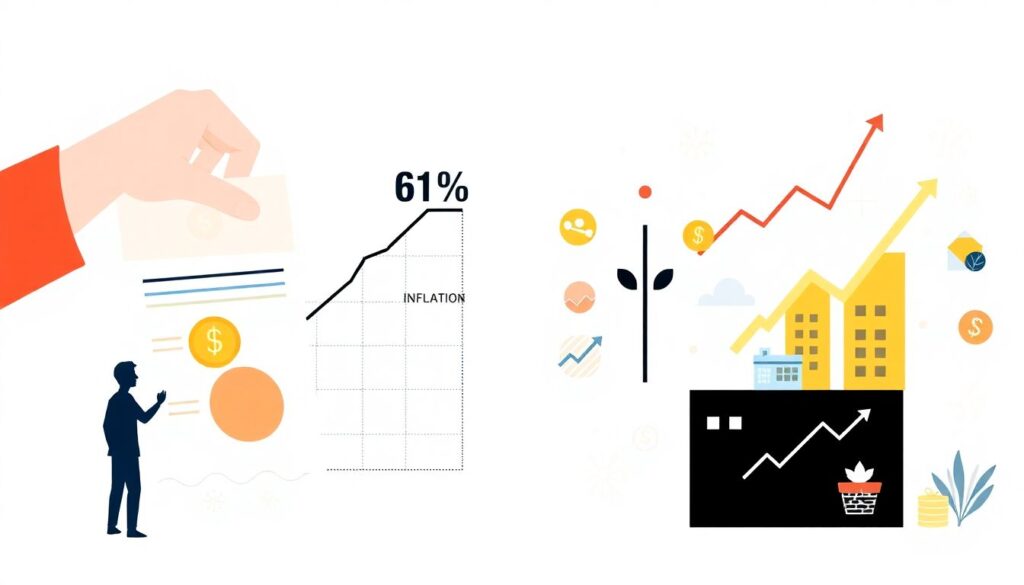
Relying solely on a savings account in a high-inflation environment can erode capital. Between 2021 and 2023, U.S. inflation averaged over 6% annually. Investors who kept money in high-yield savings accounts earning 1% essentially lost purchasing power. In contrast, those who allocated funds into Treasury Inflation-Protected Securities (TIPS) or inflation-linked ETFs preserved capital value. Always adapt your investment strategy to macroeconomic conditions.
Conclusion
Investing is both an art and a science. While foundational tools and structured strategies provide a roadmap, staying agile and informed ensures success. Real-world examples demonstrate that patience, diversification, and discipline consistently outperform speculation and emotional reactions. Equip yourself with the right knowledge, use credible tools, and commit to a long-term vision. The earlier and more consistently you invest, the greater your ability to turn capital into lasting wealth.